Lightweight Running Shoes: 11 Powerful Benefits That Will Transform Your Performance
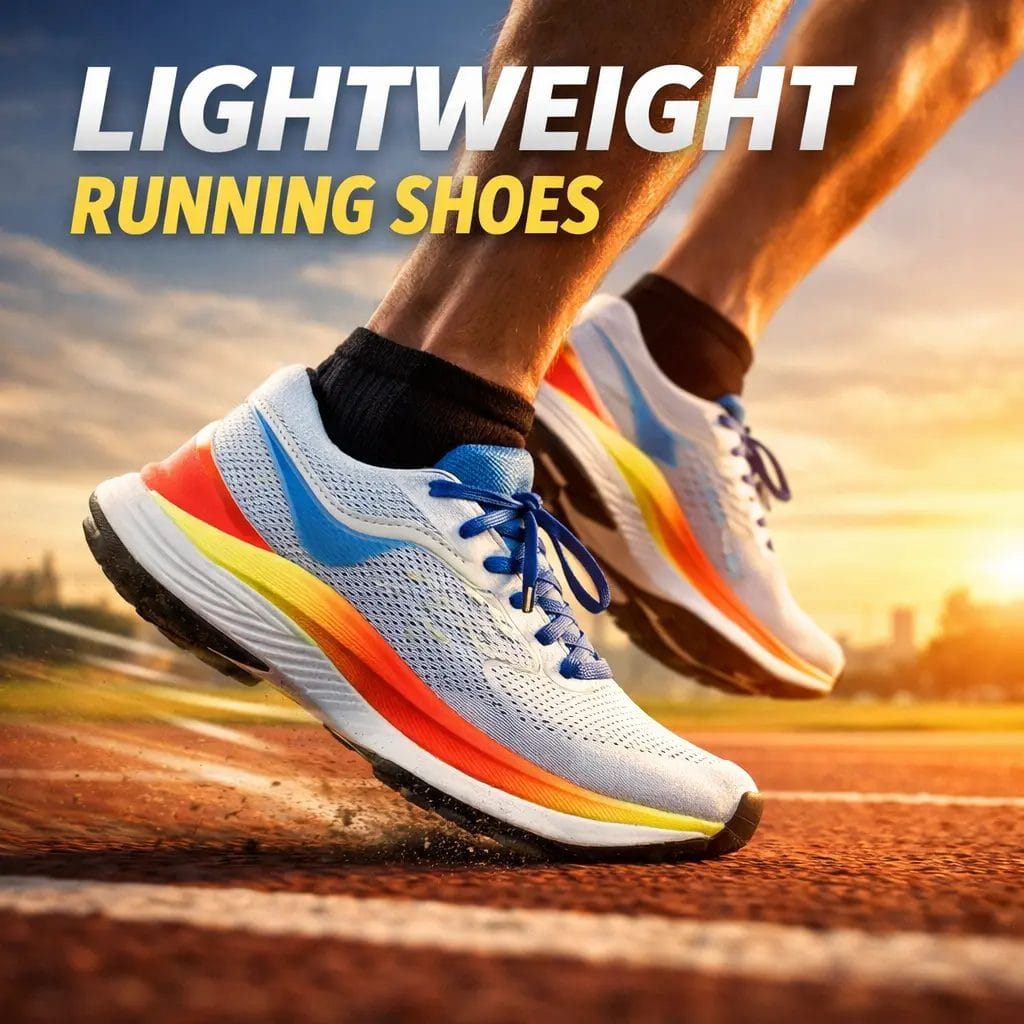
Lightweight running shoes are designed to reduce the overall weight on your feet while maintaining comfort and performance. Typically weighing between 6 to 9 ounces, these shoes help runners move faster with less effort.
In the past, running shoes were bulky and heavy. Today, thanks to advanced technology and innovative materials, brands are creating shoes that feel almost weightless. The idea is simple: less weight equals less energy used per stride.
What Makes a Running Shoe Lightweight?
A shoe becomes lightweight through:
-
Minimalist design
-
Breathable mesh uppers
-
Lightweight foam midsoles
-
Reduced rubber in outsoles
-
Streamlined cushioning systems
Manufacturers carefully remove unnecessary material without sacrificing support.
Evolution of Modern Running Footwear
Modern running footwear has evolved dramatically. In the 1970s, shoes were simple and flat. Over time, companies like Nike and Adidas introduced foam technologies, air units, and energy-return materials.
Today, lightweight models often feature carbon plates and advanced cushioning systems that enhance performance while keeping weight low.
Key Benefits of Lightweight Running Shoes
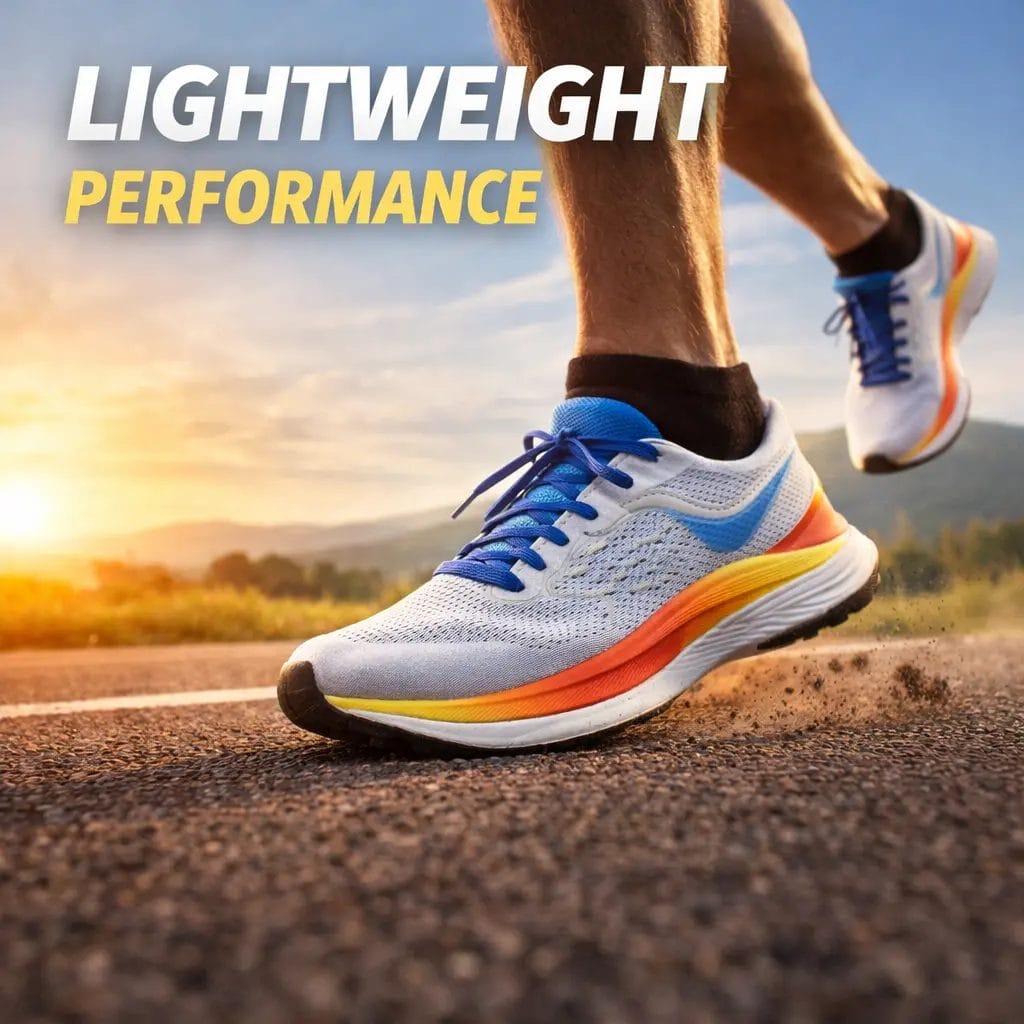
Lightweight running shoes offer several powerful advantages that improve both training and race-day performance.
Improved Speed and Agility
Every ounce matters when you’re running long distances. Research shows that reducing shoe weight can improve running economy. In simple terms, you use less energy to move.
Elite runners often choose lightweight models for races because they:
-
Allow quicker turnover
-
Reduce drag
-
Improve acceleration
-
Enhance responsiveness
If you’re aiming for a personal best, this could be a game-changer.
Reduced Fatigue Over Distance
Heavier shoes can cause muscle fatigue faster. When your legs lift less weight thousands of times during a run, you conserve energy.
Over a marathon distance (26.2 miles), even small weight savings can make a noticeable difference. Your calves and hip flexors won’t have to work as hard, which helps maintain endurance.
Enhanced Natural Foot Movement
Lightweight running shoes often feature flexible soles. This encourages natural foot movement and promotes better biomechanics.
Benefits include:
-
Improved stride efficiency
-
Better ground feel
-
Increased balance
-
Reduced joint strain
However, a proper transition is important if you’re switching from heavily cushioned shoes.
Materials Used in Lightweight Running Shoes
Technology plays a huge role in making these shoes both light and powerful.
Engineered Mesh Uppers
Engineered mesh is breathable and flexible. It:
-
Reduces overall weight
-
Allows airflow
-
Keeps feet cool
-
Provides adaptive fit
This material eliminates the need for heavy overlays and stitching.
EVA and Foam Midsoles
EVA (Ethylene Vinyl Acetate) foam is widely used because it is lightweight and shock-absorbing.
Modern foam technologies, such as Nike’s ZoomX or Adidas Boost, provide tremendous energy return without adding bulk.
Carbon Fiber Plates
Carbon plates increase propulsion while keeping shoes lightweight. They:
-
Improve efficiency
-
Enhance forward motion
-
Support faster race times
This innovation has transformed competitive running in recent years.
Lightweight Running Shoes vs Traditional Running Shoes
Understanding the difference helps you choose wisely.
Cushioning Comparison
Traditional shoes offer:
-
Thick padding
-
Maximum shock absorption
-
Extra stability
Lightweight shoes focus on:
-
Responsive cushioning
-
Minimal bulk
-
Efficient movement
It’s a balance between comfort and speed.
Durability and Longevity
Lightweight shoes may wear out slightly faster because they use less material. Most models last 300–400 miles.
If you run daily, rotating shoes is a smart idea.
Best Use Cases
Lightweight running shoes are ideal for:
-
Racing
-
Speed workouts
-
Short to mid-distance runs
Traditional shoes may be better for recovery runs or high-impact training.
How to Choose the Right Lightweight Running Shoes
Choosing the right pair requires careful thought.
Consider Your Running Style
Are you a heel striker or a forefoot runner? Lightweight models vary in:
-
Drop (heel-to-toe height difference)
-
Cushion level
-
Stability features
Understanding your gait helps prevent injuries.
Foot Type and Arch Support
Determine if you have:
-
Flat feet
-
Neutral arches
-
High arches
Some lightweight models offer minimal support, so choose wisely.
Terrain and Surface
Road runners need different shoes than trail runners. Lightweight trail shoes include added grip while maintaining low weight.
Top Brands Known for Lightweight Running Shoes
Many brands lead the market in innovation.
Nike Innovations
Nike introduced advanced foams and carbon plates. Their racing shoes have been worn in record-breaking performances worldwide.
Adidas Performance Tech
Adidas uses Boost foam technology for energy return. Their lightweight models balance comfort and speed.
ASICS and Stability Focus
ASICS focuses on stability and injury prevention while maintaining lightweight designs.
Common Mistakes to Avoid
Avoid these common errors:
-
Choosing style over fit
-
Ignoring arch support
-
Switching too quickly from cushioned shoes
-
Using racing shoes for daily training
-
Not replacing worn-out pairs
Your feet deserve proper care!
Maintenance and Care Tips
To increase the lifespan of your lightweight running shoes:
-
Air dry after runs
-
Avoid washing machines
-
Rotate between pairs
-
Store in a cool, dry place
-
Clean gently with mild soap
Proper maintenance saves money and improves performance.
Are Lightweight Running Shoes Good for Beginners?
Yes—but with caution.
Beginners can benefit from improved comfort and flexibility. However, it’s important to:
-
Choose moderate cushioning
-
Avoid ultra-minimalist designs at first
-
Transition gradually
-
Consult a professional if needed
Lightweight shoes are excellent tools, but they must match your fitness level.
Frequently Asked Questions
1. Are lightweight running shoes better for speed?
Yes. They reduce overall effort and improve running economy.
2. How long do lightweight running shoes last?
Typically 300–400 miles, depending on usage and terrain.
3. Can I use lightweight running shoes for daily training?
Yes, but many runners rotate them with cushioned shoes.
4. Do lightweight shoes cause injuries?
Not necessarily. Injuries usually occur due to a poor fit or rapid transition.
5. Are they good for long-distance running?
Many marathon runners prefer them, especially carbon-plated models.
6. How do I know if they fit properly?
Ensure a thumb-width space in the toe box and no heel slipping.
Conclusion: Are Lightweight Running Shoes Worth It?
Absolutely. Lightweight running shoes offer speed, comfort, and efficiency. They help runners conserve energy and perform at their best. While they may not replace every type of running shoe, they are a valuable addition to any runner’s collection.
Whether you’re chasing a new record or just enjoying your daily jog, the right pair can transform your running experience. So go ahead—step lighter, run faster, and enjoy the journey!