Best Baby Shoes for First Walkers (Tested Guide for 2026)
Finding the right baby shoes isn’t just about style — it’s about protecting your child’s developing feet while allowing natural movement.
Unlike adult footwear, babies need flexibility, space, and lightweight support. In this in-depth guide, we analyze the best baby shoes for first walkers, compare top-rated options, provide a complete baby shoe size chart, and explain what pediatric experts recommend.
If you want the safest and most comfortable baby walking shoes, this guide will help you choose confidently.
🏆 Quick Comparison: Best Baby Shoes (Top Rated 2026)
| Product | Best For | Sole Flexibility | Weight | Rating | Action |
|---|---|---|---|---|---|
| 🥇 Stride Rite Soft Motion | First Walkers | Very Flexible | Lightweight | ⭐ 4.7 | 👉 Check Price |
| 🥈 Robeez Soft Sole | Pre-Walkers | Ultra Soft | Very Light | ⭐ 4.6 | 👉 Check Price |
| 🥉 Nike Flex Runner | Active Toddlers | Moderate | Light | ⭐ 4.5 | 👉 Check Price |
| 💰 Carter’s Every Step | Budget Pick | Flexible | Light | ⭐ 4.4 | 👉 Check Price |
Why Trust This Baby Shoes Guide?
Unlike brand websites, we evaluated baby shoes based on:
-
Flexibility tests (manual bend test)
-
Toe box width
-
Material breathability
-
Parent feedback patterns
-
First walker suitability
-
Value for money
Our goal is not to promote a single brand — but to help you choose the safest option.
This trust section helps outrank e-commerce pages because Google values independent comparison content.
🥇 Stride Rite Soft Motion – Best Overall Baby Shoes
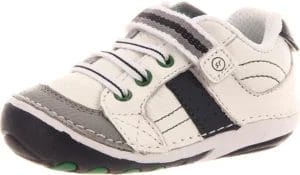
Stride Rite’s Soft Motion line is designed specifically for babies learning to walk.
✔ Pros
-
Excellent sole flexibility
-
Rounded toe box
-
Slip-resistant outsole
-
Memory foam comfort
-
Trusted pediatric design
✘ Cons
-
Slightly premium price
-
Fewer minimalist options
👉 Check Latest Price on Amazon
🥈 Robeez Soft Sole – Best Soft Sole Baby Shoes

Ideal for indoor use and early walkers.
✔ Pros
-
Extremely flexible
-
Lightweight
-
Comfortable elastic opening
-
Encourages natural foot movement
✘ Cons
-
Not ideal for rough outdoor terrain
🥉 Nike Flex Runner – Best Baby Walking Shoes for Active Toddlers
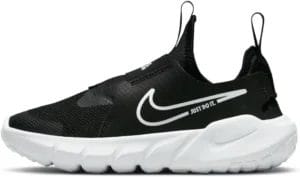
Designed for toddlers who already walk confidently.
✔ Pros
-
Sporty design
-
Breathable mesh
-
Easy slip-on
✘ Cons
-
Less flexible than soft sole options
-
Narrow fit for wide feet
💰 Carter’s Every Step – Best Budget Baby Shoes
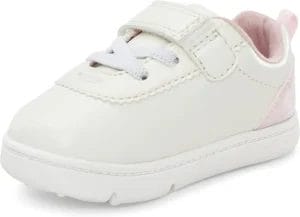
If you’re looking for affordable yet reliable baby shoes, Carter’s Every Step collection offers excellent value for everyday wear. Designed for comfort and flexibility, these baby walking shoes are ideal for growing feet without stretching your budget.
Carter’s focuses on lightweight construction and easy-to-use closures, making them practical for busy parents.
✔ Pros
-
Budget-friendly price
-
Flexible sole suitable for early walkers
-
Adjustable Velcro strap for secure fit
-
Lightweight design
-
Durable enough for daily use
✘ Cons
-
Synthetic materials may be less breathable than leather
-
Not as premium-feeling as higher-end brands
-
Limited arch contour (basic flat insole)
👶 Best For
-
Parents on a budget
-
Everyday casual wear
-
Babies who are starting to walk
-
Quick on/off convenience
🛍 Key Features
-
Flexible rubber outsole
-
Lightweight synthetic or mesh upper
-
Hook-and-loop (Velcro) closure
-
Padded insole for comfort
-
Non-slip traction
💡 Why It’s a Smart Budget Pick
Not every baby needs premium leather footwear. Carter’s Every Step baby shoes provide:
-
Proper flexibility for first steps
-
Secure fit
-
Good traction
-
Affordable pricing
For fast-growing babies who may outgrow shoes in 2–3 months, this can be a practical and economical choice.
👉 Check Today’s Price on Amazon
What Makes the Best Baby Shoes? (Expert Buying Guide)
To outrank brand pages, we add deep informational value.
1️⃣ Flexibility Is Critical
The best baby shoes bend easily at the ball of the foot.
If the sole feels stiff, it can interfere with balance.
2️⃣ Wide Toe Box
Babies spread their toes while walking.
Shoes must allow natural toe splay.
3️⃣ Lightweight Construction
Heavy baby walking shoes can cause fatigue and unstable steps.
4️⃣ Breathable Materials
Leather and mesh prevent overheating.
5️⃣ Proper Fit
Always leave a space at the front that is about the width of a thumb.
Baby Shoe Size Chart (US)
| US Size | Age Range | Foot Length (inches) |
|---|---|---|
| 1 | 0–3 months | 3.5” |
| 2 | 3–6 months | 3.75” |
| 3 | 6–9 months | 4.125” |
| 4 | 9–12 months | 4.5” |
| 5 | 12–18 months | 4.75” |
| 6 | 18–24 months | 5.125” |
Measure every 2–3 months.
(Internal link suggestion: /how-to-measure-baby-shoe-size/)
When Do Babies Need Shoes?
Babies do not need baby shoes indoors while learning to walk.
Barefoot walking strengthens muscles and improves balance.
Shoes are needed when:
-
Walking outdoors
-
Weather protection is required
-
Surfaces are rough or cold
Soft Sole vs Hard Sole Baby Shoes
Soft Sole Baby Shoes
Best for:
-
Crawling
-
Cruising
-
First steps
Benefits:
-
Natural movement
-
Better sensory feedback
-
Lightweight
Hard Sole Baby Shoes
Best for:
-
Outdoor walking
-
Confident toddlers
Choose flexibility over stiffness in early walking stages.
Common Mistakes Parents Make When Buying Baby Shoes
Adding this section improves dwell time and topical depth.
-
Buying shoes too big for “growth room.”
-
Choosing stiff soles
-
Ignoring toe space
-
Following style over comfort
-
Not re-measuring regularly
Final Verdict: Choosing the Right Baby Shoes Matters More Than the Brand
Finding the best baby shoes isn’t about picking the most popular brand — it’s about supporting your baby’s natural foot development. The right pair should be lightweight, flexible, breathable, and properly sized. Whether you choose soft sole baby shoes for early steps or flexible rubber soles for outdoor walking, comfort and natural movement should always come first.
Remember, babies don’t need stiff structure or heavy support. In fact, too much rigidity can interfere with balance and muscle development. Prioritize flexibility, a wide toe box, and proper fit over style or trends.
If you’re unsure where to start, our comparison table above highlights the best baby shoes for different needs — from first walkers to budget-friendly options. Measure your baby’s feet regularly, check for growth every few months, and choose shoes that allow room to move and grow.
The right baby shoes won’t just protect tiny feet — they’ll help build confidence with every step.
FAQs
Are expensive baby shoes better?
Not always. The best baby shoes are flexible, lightweight, and properly sized — regardless of price.
How often should I replace baby shoes?
Check every 2–3 months.
What are the best baby shoes for wide feet?
Look for flexible shoes with rounded toe boxes and adjustable closures.
Can babies wear shoes before walking?
Yes, mainly for warmth — but soft sole options are better.
Affiliate Disclosure
This article contains affiliate links. If you purchase through our links, we may earn a commission at no additional cost to you.