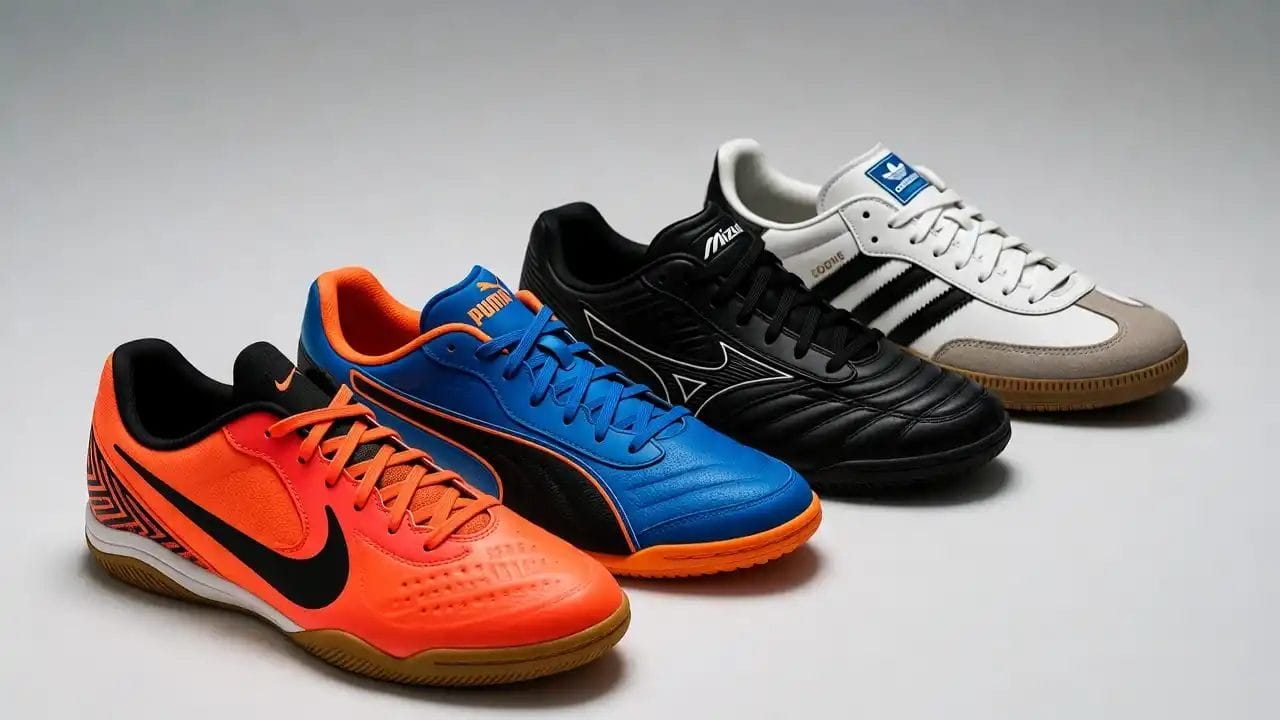
Indoor Soccer Shoes: The Ultimate Guide for Speed, Control, and Comfort 2026
Table of Contents
ToggleUnderstanding Indoor Soccer and Why Shoes Matter
Indoor soccer is a whole different beast compared to outdoor soccer, and if you’ve ever stepped onto an indoor court wearing the wrong shoes, you already know how unforgiving it can be. The game is faster, the space is tighter, and the surface beneath your feet doesn’t forgive sloppy footwork or poor traction. Indoor soccer shoes aren’t just another piece of gear—they’re the foundation of your performance. Think of them like the tires on a race car. You can have the best engine in the world, but without proper grip, control, and stability, you’re going nowhere fast.
What truly sets indoor soccer apart is the playing surface. Most indoor courts are made of wood, polished concrete, or synthetic materials, all of which demand a shoe that can grip without sticking. Outdoor cleats dig into grass. Indoor shoes, on the other hand, rely on friction and smart outsole design to keep you upright while making explosive movements. Quick cuts, sudden stops, sharp turns, and rapid accelerations happen constantly. Your footwear needs to keep up.
Many players underestimate how much shoes influence their game. They focus on skills, fitness, and tactics while ignoring what’s literally connecting them to the court. That’s a mistake. The right indoor soccer shoes enhance ball control, reduce injury risk, improve balance, and even boost confidence. When your feet feel secure, your mind plays freer. You try that risky dribble. You commit to that sprint. You react faster because your shoes aren’t holding you back.
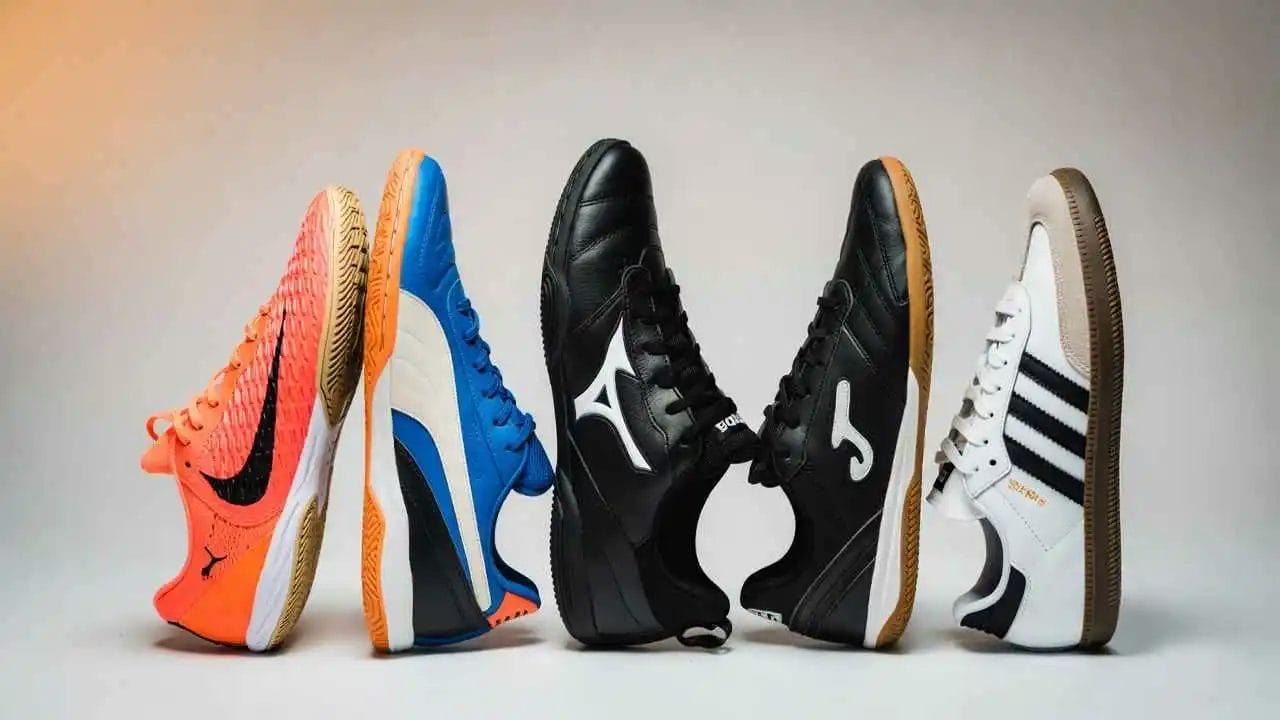
Another overlooked aspect is comfort. Indoor matches are intense, often played back-to-back with minimal rest. Poor cushioning or a bad fit can lead to sore feet, blisters, or even long-term issues like plantar fasciitis. Indoor soccer shoes are designed to absorb shock from hard surfaces while maintaining a low profile so you stay close to the ground. That balance is crucial.
In short, indoor soccer shoes aren’t optional or interchangeable with regular sneakers. They’re purpose-built tools designed to match the demands of the indoor game. Choosing the right pair can be the difference between slipping through a match and dominating it.
What Are Indoor Soccer Shoes?
Indoor soccer shoes are specialized athletic shoes designed specifically for playing soccer on indoor courts. Unlike outdoor cleats or turf shoes, these shoes feature flat, non-marking rubber soles that provide grip without damaging the court surface. Their main job is to give you control—control over your movement, your balance, and the ball itself.
At their core, indoor soccer shoes are built for responsiveness. They sit low to the ground, allowing players to feel the court beneath their feet. This low-profile design improves agility and makes it easier to change direction quickly. When you’re dribbling in tight spaces or reacting to a fast break, that court feel becomes invaluable. It’s like driving a sports car versus a truck—you feel every movement more precisely.
One of the defining features of indoor soccer shoes is their outsole. Instead of studs or aggressive patterns, they use gum rubber soles with carefully designed traction zones. These patterns grip the court just enough to prevent slipping but still allow smooth pivots. Too much grip can actually be a problem indoors, increasing the risk of ankle or knee injuries during sudden turns.
The upper part of indoor soccer shoes is equally important. It’s designed to enhance ball touch and control. Whether made from leather, synthetic materials, or knit fabrics, the upper is usually thinner than a typical sneaker. This allows for a better feel when passing, shooting, or dribbling. Some models even include textured zones to improve grip on the ball.
Another key aspect is cushioning. Indoor courts are hard, and repeated impact can take a toll on your joints. Indoor soccer shoes typically feature EVA foam or similar cushioning in the midsole to absorb shock without sacrificing responsiveness. The goal is comfort without bulk.
In simple terms, indoor soccer shoes are not just “soccer shoes without cleats.” They’re engineered specifically for indoor play, combining traction, comfort, control, and durability in a way that regular athletic shoes simply can’t match.
Types of Indoor Soccer Shoes
Not all indoor soccer shoes are created equal. Just like players have different styles, indoor shoes come in different types to suit various needs and court conditions. Understanding these types can help you make a smarter choice and avoid buying shoes that don’t match how or where you play.
The most common type is the flat sole indoor shoe, often referred to as a court shoe. These feature a smooth, gum rubber outsole designed specifically for flat indoor surfaces like wood or polished concrete. They offer excellent court feel and are ideal for fast-paced games where quick direction changes are constant. If you play traditional indoor soccer or futsal, this is usually the go-to option.
Then there are turf-style indoor shoes. These have small rubber nubs on the outsole instead of a completely flat surface. While they’re technically designed for artificial turf, many players use them in indoor facilities that feature turf-like surfaces. They provide more grip on slightly softer indoor fields, but can feel too aggressive on hard courts.
Futsal shoes deserve special mention. While often grouped with indoor soccer shoes, futsal shoes are specifically designed for the futsal game. They tend to have a wider toe box, lower profile, and superior ball control features. They’re excellent for technical players who rely heavily on close control and quick passes.
You’ll also find a distinction between training shoes and match shoes. Training models are usually more durable and slightly heavier, built to withstand frequent use. Match shoes focus on performance, offering lighter materials and better responsiveness, but sometimes sacrificing durability.
Choosing the right type depends on where you play, how often you play, and what you value most—comfort, durability, or performance. There’s no one-size-fits-all answer, but understanding these categories puts you miles ahead of players who just grab the first pair they see.
Outsole Technology Explained
The outsole is where indoor soccer shoes truly earn their stripes. It’s the only part of the shoe that actually touches the court, and its design can make or break your performance. Think of the outsole as your connection to the game’s rhythm—every sprint, stop, pivot, and slide depends on how well it’s engineered.
Most indoor soccer shoes use gum rubber outsoles, and there’s a good reason for that. Gum rubber provides an ideal balance between grip and flexibility. On indoor courts, you don’t want aggressive traction like outdoor cleats because that can cause your foot to stick unnaturally, increasing the risk of injury. Instead, gum rubber grips the surface just enough to keep you stable while still allowing smooth, controlled movements.
Traction patterns also play a huge role. You’ll notice herringbone, circular, or multi-directional patterns etched into the outsole. These aren’t just for looks. They’re designed to support lateral movement, which is constant in indoor soccer. When you cut sideways to beat a defender or quickly track back on defense, these patterns help distribute pressure evenly across your foot.
Another critical feature is the non-marking sole. Indoor courts require shoes that won’t leave scuff marks on the floor. Beyond being a facility rule, non-marking soles also tend to offer better consistency in grip. You don’t want unpredictable traction mid-game, especially when the pace is high, and mistakes are punished instantly.
Outsole flexibility matters too. A stiff outsole can limit natural foot movement and slow your reaction time. High-quality indoor soccer shoes strike a balance—they’re flexible enough to move naturally with your foot but firm enough to provide stability during explosive actions.
Ultimately, outsole technology is about trust. When you trust your footing, you play faster, cut sharper, and react quicker. That confidence often separates average indoor players from standout performers.
Upper Materials: Comfort Meets Control
The upper part of an indoor soccer shoe is where comfort, control, and personality come together. It’s the part of the shoe that interacts directly with the ball, so material choice has a huge impact on how the game feels under your feet.
Leather uppers, especially kangaroo or calfskin leather, are prized for their natural feel. They mold to your foot over time, offering a glove-like fit that many players swear by. Leather provides excellent touch on the ball, making passes and shots feel more controlled and deliberate. The downside? Leather requires more maintenance and can wear out faster if not cared for properly.
Synthetic uppers are the modern alternative. They’re lightweight, durable, and resistant to moisture, making them ideal for players who want consistency game after game. Advances in synthetic technology mean many modern materials mimic the softness of leather while offering better durability. They also tend to be more affordable, which is a big plus for frequent players.
Then there are knit and mesh uppers, which focus heavily on breathability and comfort. These are great for players who struggle with sweaty feet or play long sessions. Knit uppers often wrap around the foot like a sock, offering a snug, adaptive fit. However, they may sacrifice a bit of structure compared to leather or synthetic options.
Texture is another important factor. Many indoor soccer shoes include textured zones or grip patterns on the upper to enhance ball control. These subtle details can make a noticeable difference when dribbling in tight spaces or striking the ball under pressure.
In the end, the best upper material is the one that matches your priorities—whether that’s touch, durability, breathability, or comfort. The right choice can elevate your confidence every time the ball comes your way.
Cushioning and Midsole Support
Indoor soccer might look less physical than outdoor soccer, but your feet will tell a different story after a few matches. Hard indoor surfaces transfer impact directly into your joints, making cushioning and midsole support essential.
Most indoor soccer shoes use EVA foam midsoles to absorb shock. EVA is lightweight, responsive, and effective at reducing impact without adding bulk. The goal isn’t to feel like you’re walking on pillows—it’s to protect your feet while keeping you close to the ground for better control.
Arch support is another key element. Players with flat feet or high arches often overlook this, but poor support can lead to foot fatigue, pain, and even injury. Some indoor shoes include built-in arch support, while others rely on removable insoles so you can customize the fit with orthotics if needed.
Heel cushioning deserves special attention. Indoor soccer involves constant stopping and starting, which puts stress on your heels. Adequate heel padding helps absorb that shock and reduces strain on your Achilles tendon. A well-cushioned heel can be the difference between finishing strong and limping off the court.
Comfort over long sessions is where good midsole design really shines. If you play tournaments, leagues, or pickup games back-to-back, fatigue can creep in fast. Shoes with balanced cushioning help maintain energy levels and reduce soreness, letting you focus on your game instead of your feet.
Cushioning isn’t about luxury—it’s about sustainability. The right support allows you to play harder, longer, and more often without paying the price later.
Fit and Sizing Guide for Indoor Soccer Shoes
Fit is everything when it comes to indoor soccer shoes. Even the most advanced shoe will underperform if it doesn’t fit your foot properly. In a fast-paced indoor game, a poor fit can lead to blisters, discomfort, and lack of control.
Indoor soccer shoes should fit snugly but not painfully tight. You want minimal space between your toes and the front of the shoe, but not so little that your toes feel cramped. A thumb’s width of space is often considered ideal. This ensures control while still allowing natural foot movement.
The toe box shape matters more than most players realize. Some shoes are designed with narrow profiles, ideal for slim feet, while others offer wider toe boxes for broader foot shapes. Wearing the wrong shape can cause pressure points and reduce comfort, even if the length is correct.
Break-in time is another consideration. Leather shoes usually require a short break-in period as they mold to your foot. Synthetic and knit shoes, on the other hand, tend to feel game-ready right out of the box. Don’t assume discomfort will magically disappear—if a shoe hurts immediately, it’s probably not the right fit.
Trying shoes on at the end of the day can help, as your feet naturally swell. Wear the same type of socks you’d use for games, and walk, jog, and pivot if possible. Fit isn’t just about standing still—it’s about how the shoe feels in motion.
When indoor soccer shoes fit correctly, they feel like an extension of your foot. That’s when you stop thinking about them and start playing your best.
Grip, Control, and Ball Feel
One of the biggest advantages of indoor soccer shoes is how they enhance your relationship with the ball. On smaller courts with less time and space, ball control becomes everything. The right shoes can make your touch cleaner, your dribbling sharper, and your movements more confident.
Grip starts from the outsole, but control extends through the entire shoe. A low-profile design keeps your foot close to the court, improving balance and responsiveness. When you plant your foot to pass or shoot, that stability translates into accuracy.
Ball feel is heavily influenced by the upper material. Thinner uppers provide a more direct connection to the ball, allowing you to feel every touch. This is especially important for quick passes, flicks, and close-control dribbling common in indoor play.
There’s also a balance between grip and glide. Too much grip can make it hard to pivot smoothly, while too little can cause slipping. Well-designed indoor soccer shoes strike this balance, letting you move fluidly without losing traction.
Court surface compatibility plays a role as well. Wooden courts, polished concrete, and synthetic surfaces all behave slightly differently. A quality indoor shoe adapts well across surfaces, maintaining consistent performance.
Ultimately, grip and control are about confidence. When you trust your shoes, you play instinctively—and that’s when indoor soccer becomes truly fun.
Indoor Soccer Shoes for Different Playing Styles
Not all indoor soccer players move the same, think the same, or impact the game the same way—and that’s exactly why playing style should influence your shoe choice. Indoor soccer shoes are not one-size-fits-all. The right pair can amplify your strengths, while the wrong one can quietly limit what you do best.
If you’re a speed-focused player, lightweight shoes should be your priority. These players rely on quick bursts, fast transitions, and beating defenders with acceleration. A streamlined design with minimal cushioning and a responsive outsole helps maximize speed. Every extra ounce matters when the game is decided in split seconds. Thin uppers and snug fits allow for rapid foot movement and explosive sprints.
Playmakers need a different approach. Vision, ball control, and precision define their role. Shoes with excellent touch, textured uppers, and superior court feel give playmakers the confidence to control the tempo. A slightly wider toe box can help with balance during quick turns and delicate passes. Comfort also matters here, as playmakers often cover a lot of ground throughout the match.
For defenders, stability and durability take center stage. Defensive players make sudden stops, lateral movements, and physical challenges. Shoes with reinforced uppers, solid heel support, and reliable traction provide the confidence to commit to tackles and blocks. While speed still matters, protection and stability are often more important.
Goalkeepers have unique needs. They rely on grip for explosive lateral movements and need shoes that offer strong traction during quick dives and recoveries. A flat, grippy outsole and reinforced toe area for frequent contact with the ball are crucial. Comfort and ankle stability also play a major role in maintaining performance throughout the game.
Matching your indoor soccer shoes to your playing style doesn’t just improve performance—it makes the game feel more natural. When your footwear supports how you play, everything clicks.
Best Indoor Soccer Shoes for Beginners
For beginners, stepping into the world of indoor soccer can feel overwhelming, especially when it comes to choosing the right shoes. The good news is you don’t need professional-level footwear to enjoy the game and improve your skills. What you need is balance.
Beginners should prioritize comfort and fit above all else. A shoe that feels good encourages longer play sessions, which naturally leads to improvement. Soft uppers, decent cushioning, and a forgiving fit are ideal. There’s no need for ultra-thin, performance-focused designs that can feel harsh on untrained feet.
Budget-friendly options often provide excellent value for new players. Many entry-level indoor soccer shoes offer durable synthetic uppers and reliable gum rubber soles without unnecessary extras. These shoes may be slightly heavier, but they’re built to handle frequent use and mistakes that come with learning.
One common beginner mistake is overbuying—choosing advanced shoes designed for elite players. These models often sacrifice comfort for responsiveness, which can be uncomfortable for someone still developing foot strength and technique.
Beginners should also avoid using regular running shoes or casual sneakers. While tempting, these lack the lateral support and grip needed for indoor soccer and increase the risk of injury.
The right beginner shoe should feel supportive, stable, and comfortable from the first wear. When learning is fun and pain-free, progress comes naturally.
Best Indoor Soccer Shoes for Advanced Players
Advanced players demand more from their indoor soccer shoes. At higher levels, small details matter. A fraction of a second faster reaction, slightly better ball control, or improved stability can change the outcome of a match.
Performance-oriented indoor soccer shoes focus on responsiveness and precision. Lightweight construction allows advanced players to move freely without feeling weighed down. Thin, high-quality uppers enhance touch sensitivity, making every pass and shot feel deliberate.
Advanced players often prefer shoes with minimal cushioning. This may sound counterintuitive, but less cushioning improves court feel, which is crucial for quick decision-making. When you feel the surface beneath your feet, you react faster and move more efficiently.
Fit becomes even more critical at this level. Advanced players usually know their foot shape and preferences. Some favor a tight, sock-like fit for maximum control, while others prefer a slightly roomier feel for comfort during long matches.
Many professional indoor players choose shoes used at the highest levels of futsal and indoor leagues. These models often incorporate cutting-edge materials and refined designs that prioritize performance over durability.
For advanced players, indoor soccer shoes aren’t just equipment—they’re tools fine-tuned for peak performance.
Indoor Soccer Shoes for Kids
Kids playing indoor soccer have very different needs compared to adults. Growing feet, developing muscles, and boundless energy mean shoes must prioritize safety, comfort, and flexibility.
Flexibility is crucial. Kids’ indoor soccer shoes should bend naturally with the foot, allowing proper movement and reducing strain. Overly stiff shoes can hinder development and cause discomfort.
Stability and support are also important. Indoor courts can be slippery, and kids often move unpredictably. Shoes with reliable traction and good heel support help prevent slips and falls. Lightweight designs make it easier for kids to move naturally.
Easy closure systems, such as Velcro straps or elastic laces, are a huge plus. They allow kids to put on and remove their shoes independently while ensuring a secure fit. Traditional laces are fine too, as long as they stay tied during play.
Durability matters because kids play hard. Reinforced toe areas and sturdy uppers help shoes last longer, even with frequent use. While kids outgrow shoes quickly, a durable pair ensures consistent performance during its lifespan.
The right indoor soccer shoes help kids focus on fun, teamwork, and skill development—exactly what youth sports should be about.
Indoor Soccer Shoes vs Futsal Shoes
Indoor soccer shoes and futsal shoes are often used interchangeably, but they’re not the same. Understanding the differences can help you choose the best option for your game.
Futsal shoes are specifically designed for futsal courts, which are typically smoother and more controlled environments. They often feature a wider toe box, thinner soles, and superior ball control features. This design supports the technical, fast-paced nature of futsal.
Indoor soccer shoes, on the other hand, are more versatile. They’re built to handle a variety of indoor surfaces, including turf-style courts. They may offer slightly more cushioning and durability, making them suitable for recreational leagues and mixed-use facilities.
If you play on traditional futsal courts and prioritize touch and control, futsal shoes may be the better choice. If your indoor games take place on different surfaces or involve more physical play, indoor soccer shoes provide better all-around performance.
Both types have their strengths. The key is matching the shoe to your environment and style of play.
How to Care for Indoor Soccer Shoes
Indoor soccer shoes might look tough, but they still need proper care if you want them to perform well and last longer. A little attention after each game can save you money and keep your shoes feeling game-ready every time you step on the court.
Start with basic cleaning. After playing, wipe down the outsole with a damp cloth to remove dust and court residue. Indoor courts collect fine particles that reduce grip over time. If the outsole gets slick, your traction suffers. For the upper, a soft brush or cloth works well. Avoid soaking your shoes in water—it weakens materials and glue.
Drying your shoes properly is critical. Never toss them near a heater or leave them in direct sunlight. Excessive heat can warp the sole and crack synthetic materials. Instead, remove the insoles and let the shoes air-dry naturally. Stuffing them with newspaper helps absorb moisture and maintain shape.
Storage matters more than people think. Keep your indoor soccer shoes in a breathable bag, not a sealed plastic container. Trapped moisture leads to odor and material breakdown. Also, avoid wearing them outdoors. Concrete and asphalt destroy indoor soles quickly and reduce grip where it matters most—on the court.
Knowing when to replace your shoes is just as important as caring for them. If the outsole has gone smooth, cushioning feels flat, or the upper has lost structure, performance will drop. Playing in worn-out shoes increases injury risk and limits control.
Treat your indoor soccer shoes well, and they’ll reward you with consistent performance match after match.
Common Myths About Indoor Soccer Shoes
There are plenty of misconceptions floating around about indoor soccer shoes, and believing them can hurt your game more than you realize. Let’s clear the air.
One common myth is “any sneaker works indoors.” This couldn’t be more wrong. Regular sneakers lack lateral support, proper traction patterns, and ball control features. They’re designed for forward motion, not sharp cuts and pivots. Wearing them increases injury risk and reduces performance.
Another myth is “more grip is always better.” While grip is essential, too much of it can be dangerous. Excessive traction causes the foot to stick during rotation, placing stress on ankles and knees. Indoor soccer shoes are designed to balance grip and glide for safe movement.
Some players believe “indoor shoes don’t need support.” In reality, hard surfaces demand proper cushioning and arch support. Without it, foot fatigue sets in quickly, and long-term issues can develop.
There’s also the idea that expensive shoes automatically make you better. While premium shoes offer advanced features, skill, fit, and comfort matter far more. A well-fitting mid-range shoe will outperform an expensive pair that doesn’t suit your foot or style.
Understanding these myths helps you make smarter choices and focus on what truly improves your indoor game.
How to Choose the Right Indoor Soccer Shoes
Choosing the right indoor soccer shoes doesn’t have to feel complicated. When you break it down step by step, the process becomes surprisingly simple.
First, consider the court surface. Smooth courts like wood or concrete require flat gum rubber soles. Turf-style indoor fields may benefit from shoes with small rubber nubs. Matching the outsole to the surface is non-negotiable.
Next, identify your playing style. Speed players benefit from lightweight designs, while control-oriented players need superior ball feel. Defenders should prioritize stability, and frequent players should look for durability and comfort.
Fit comes next—and it’s critical. Try shoes on with game socks, move around, and pay attention to pressure points. A good fit feels snug but not restrictive. Remember that leather stretches slightly, while synthetic materials don’t change much over time.
Budget matters, but value matters more. You don’t need the most expensive option—just one that balances comfort, traction, and durability for your needs. Mid-range indoor soccer shoes often offer the best overall value.
Before buying, do a final checklist:
-
Non-marking sole
-
Proper fit and comfort
-
Suitable outsole for your court
-
Adequate cushioning
-
Durable upper material
When all these boxes are checked, you’ve found the right pair.
Best Indoor Soccer Shoes to Buy Right Now
If you’ve made it this far, you’re likely serious about choosing the right indoor soccer shoes—and that’s exactly where real product recommendations help. Below are indoor soccer shoes that consistently perform well on indoor courts, trusted by both casual and competitive players.
These recommendations are based on comfort, grip, durability, and ball control, not hype.
Nike React Gato Indoor Soccer Shoes

Best for speed, agility, and fast-paced indoor play
The Nike React Gato is built for players who thrive on quick movements and sharp reactions. Its low-profile design keeps your foot close to the court, which improves balance and responsiveness during rapid direction changes. The React foam midsole absorbs impact without slowing you down, making it ideal for hard indoor surfaces.
The textured upper improves ball grip in tight spaces, while the gum rubber outsole delivers controlled traction—enough to grip, but not so much that it restricts movement.
👉 Check the latest price and availability on Amazon
Adidas Samba Classic Indoor Soccer Shoes

Best all-around indoor soccer shoe for durability and comfort
The Adidas Samba Classic has earned its legendary status for a reason. It’s comfortable, durable, and performs consistently across most indoor court surfaces. The leather upper molds to your foot over time, improving comfort and touch, while the cushioned midsole helps reduce foot fatigue during longer matches.
This is a solid option if you want a reliable indoor soccer shoe that doesn’t require frequent replacement.
👉 View current deals for Adidas Samba Classic on Amazon
PUMA Future Z Indoor Soccer Shoes

Best for comfort and flexible fit
The PUMA Future Z is an excellent choice if comfort is your top priority. The adaptive upper wraps around the foot, offering a secure yet flexible fit—especially helpful for players with wider feet. Cushioning is generous without feeling bulky, making it suitable for frequent indoor play.
This shoe works well for beginners and intermediate players who want comfort without sacrificing performance.
👉 See today’s PUMA Future Z indoor models on Amazon
Joma Top Flex Indoor Soccer Shoes

Best for ball control and technical play
The Joma Top Flex is highly regarded among futsal and indoor soccer players who prioritize touch and control. The leather upper provides a soft, natural feel on the ball, helping with close dribbling, quick passes, and controlled shots.
Its lightweight, flexible design allows natural foot movement, making it a favorite for technically skilled players.
👉 Check availability of Joma Top Flex indoor shoes on Amazon
Mizuno Morelia Sala Indoor Soccer Shoes

Best premium indoor soccer shoe
If you’re looking for top-tier quality, the Mizuno Morelia Sala delivers exceptional craftsmanship. The premium leather upper offers immediate comfort and a glove-like fit, while the lightweight design enhances agility and control.
This is a strong investment for serious indoor players who play frequently and demand long-lasting performance.
👉 Explore Mizuno Morelia Sala options on Amazon
Quick Comparison Table
| Shoe | Best For | Comfort | Durability | Skill Level |
|---|---|---|---|---|
| Nike React Gato | Speed & agility | High | Medium | Advanced |
| Adidas Samba Classic | All-around use | High | High | All levels |
| PUMA Future Z | Comfort & fit | Very High | Medium | Beginner–Intermediate |
| Joma Top Flex | Ball control | High | Medium | Intermediate–Advanced |
| Mizuno Morelia Sala | Premium performance | Very High | High | Advanced |
Conclusion
Indoor soccer is fast, technical, and unforgiving—and your shoes are your most important piece of equipment. The right indoor soccer shoes enhance control, improve movement, reduce injury risk, and boost confidence. They allow you to play instinctively, react quickly, and enjoy the game without distraction.
Whether you’re a beginner learning the basics or an advanced player chasing every competitive edge, choosing shoes that match your court, playing style, and foot shape makes a real difference. Indoor soccer shoes aren’t just footwear—they’re a performance tool that supports every pass, sprint, and shot.
Invest wisely, care for them properly, and your indoor soccer shoes will elevate your game every time you step onto the court.
FAQs
1. Are indoor soccer shoes good for everyday wear?
They’re designed for indoor courts, not daily use. Wearing them casually can wear down the outsole and reduce grip during games.
2. Can I use turf shoes on an indoor court?
Only on turf-style indoor surfaces. On hard courts, turf shoes can feel uncomfortable and provide too much traction.
3. How long do indoor soccer shoes last?
With regular play, most last 6–12 months, depending on usage, court surface, and care.
4. Do indoor soccer shoes stretch over time?
Leather shoes stretch slightly, while synthetic and knit models maintain their original shape.
5. What’s the difference between futsal shoes and indoor soccer shoes?
Futsal shoes focus more on ball control and court feel, while indoor soccer shoes offer greater versatility and durability across surfaces.