7 Best Shoes for Nurses That Boost Comfort and Performance All Day
If you’re on your feet for 10–12 hours a day, you already know how important the best shoes for nurses can be. Nursing isn’t simply a job—it’s a physical marathon. Between rushing down hallways, standing during procedures, and responding to emergencies, your feet take a serious beating.
The wrong footwear can lead to foot pain, back strain, knee issues, and even long-term joint damage. But the right pair? It can change everything.
In this comprehensive guide, we’ll break down exactly what makes the best shoes for nurses, review top-rated models, and help you choose the perfect pair for your specific needs.
Why Choosing the Best Shoes for Nurses Matters
Nurses walk an average of 4-5 miles each shift. That’s thousands of steps on hard hospital floors. Without proper support, the impact builds up quickly.
Poor footwear can lead to:
-
Plantar fasciitis
-
Lower back pain
-
Shin splints
-
Knee strain
-
Swollen feet
-
Fatigue
High-quality nursing shoes aren’t just about comfort—they’re about long-term health, safety, and performance.
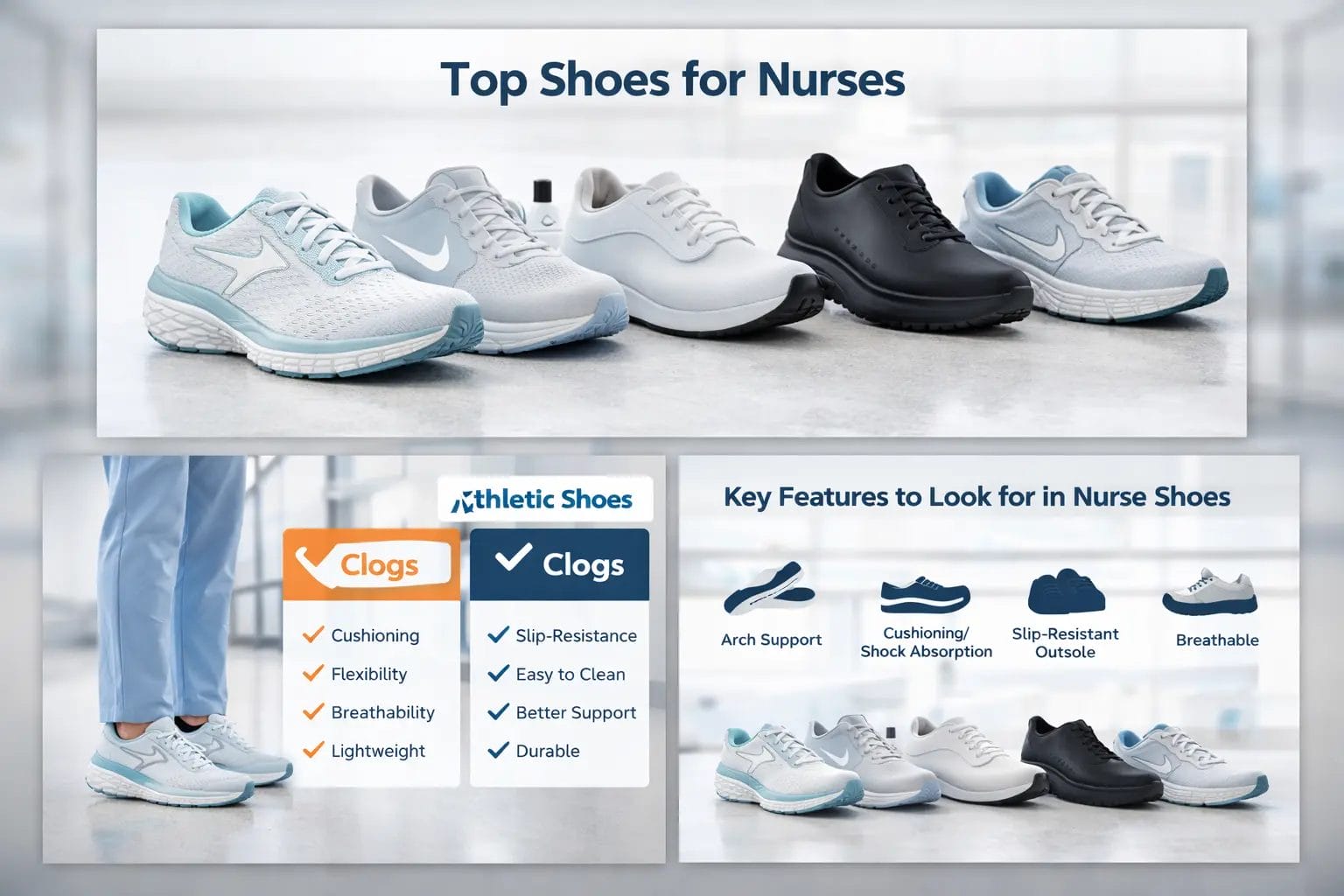
Key Features to Look for in Nursing Shoes
1. Arch Support
Proper arch support reduces strain on your feet and spine. Whether you have flat feet or high arches, supportive insoles are essential.
2. Cushioning & Shock Absorption
Hospital floors are unforgiving. Look for EVA foam midsoles or gel cushioning to absorb impact.
3. Slip-Resistant Outsoles
Spills happen. A slip-resistant sole helps prevent dangerous falls. Many hospitals require non-slip certification.
For official workplace safety guidelines, check OSHA recommendations at https://www.osha.gov/.
4. Breathability
Sweaty feet can lead to blisters and odor. Mesh uppers improve airflow.
5. Easy to Clean Material
Synthetic leather or waterproof materials are ideal in clinical environments.
6. Lightweight Construction
Heavy shoes increase fatigue over long shifts.
Top 7 Best Shoes for Nurses in 2026
Let’s explore some of the highest-rated options trusted by medical professionals.
1. Brooks Ghost 15
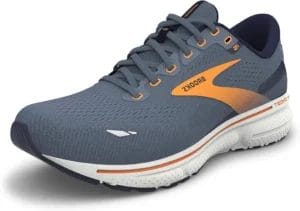
A favorite among healthcare workers, the Brooks Ghost 15 offers exceptional cushioning and arch support.
Why nurses love it:
-
DNA Loft cushioning
-
Excellent shock absorption
-
Lightweight feel
-
Durable outsole
Best for: Nurses who prefer athletic-style sneakers.
2. Hoka Bondi 8
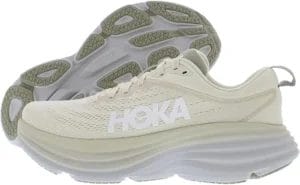
The Hoka Bondi 8 is known for maximum cushioning.
Highlights:
-
Thick EVA midsole
-
Meta-Rocker technology
-
Wide toe box
-
Great for plantar fasciitis
Best for: Nurses with foot pain or joint issues.
3. Dansko Professional Clogs
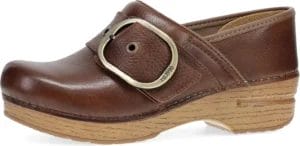
The Dansko Professional Clogs are iconic in healthcare settings.
Why they stand out:
-
Rocker-bottom sole
-
Excellent arch support
-
Slip-resistant outsole
-
Easy to clean leather upper
Best for: Traditionalists who prefer clogs.
4. Nike Air Zoom Pulse
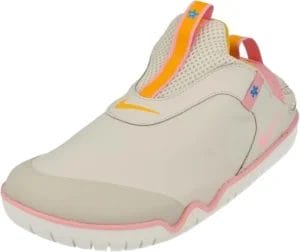
Designed specifically for healthcare workers, the Nike Air Zoom Pulse offers style and function.
Features:
-
Water-resistant upper
-
Contoured cushioning
-
Slip-resistant rubber
Best for: Nurses who want modern design with performance.
5. Asics Gel-Nimbus 25
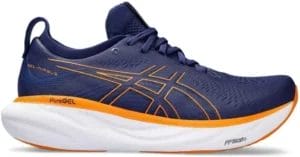
The ASICS Gel-Nimbus 25 combines gel technology with plush comfort.
Benefits:
-
Advanced shock absorption
-
Breathable mesh
-
Great arch support
Best for: Long ICU or ER shifts.
6. Skechers Work Sure Track
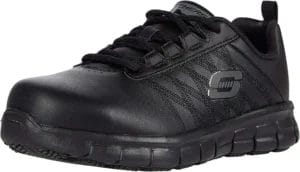
The Skechers Work Sure Track is budget-friendly and reliable.
Pros:
-
Memory foam insole
-
Slip-resistant outsole
-
Affordable price
Best for: Nurses on a budget.
7. New Balance 990v6
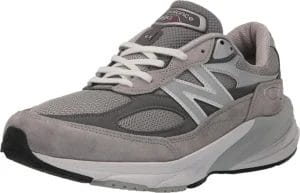
The New Balance 990v6 offers premium stability.
Why it’s great:
-
ENCAP midsole cushioning
-
Excellent durability
-
Made in the USA craftsmanship
Best for: Nurses needing motion control.
Athletic Shoes vs. Clogs: Which Is Better?
| Feature | Athletic Shoes | Clogs |
|---|---|---|
| Cushioning | High | Moderate |
| Slip Resistance | Good | Excellent |
| Breathability | Better | Limited |
| Easy to Clean | Moderate | Excellent |
| Weight | Lightweight | Heavier |
Athletic shoes provide flexibility and shock absorption. Clogs offer durability and easy maintenance. Your choice depends on personal comfort and workplace rules.
Best Shoes for Nurses with Plantar Fasciitis
If you suffer from heel pain, look for:
-
Strong arch support
-
Deep heel cup
-
Extra cushioning
-
Shock-absorbing midsoles
Hoka and Brooks models often rank highly for plantar fasciitis relief.
How to Choose the Right Size and Fit
Here’s a simple checklist:
-
Shop after work when feet are swollen
-
Leave a thumb’s width at the toe
-
Test flexibility at the forefoot
-
Walk around before purchasing
-
Consider wide-width options
Never compromise on fit—it affects everything from posture to energy levels.
How Often Should Nurses Replace Their Shoes?
Most experts recommend replacing nursing shoes every six to twelve months, depending on:
-
Shift length
-
Walking distance
-
Body weight
-
Shoe quality
If you notice reduced cushioning or worn-out soles, it’s time for a new pair.
Tips to Make Your Nursing Shoes Last Longer
-
Rotate between two pairs
-
Use orthotic inserts
-
Clean regularly
-
Air dry after shifts
-
Avoid machine washing unless specified
Common Mistakes Nurses Make When Buying Shoes
-
Choosing style over comfort
-
Ignoring arch support
-
Buying the wrong size
-
Skipping slip resistance
-
Waiting too long to replace worn shoes
Avoid these pitfalls to protect your long-term foot health.
FAQs
1. What are the best shoes for nurses who work 12-hour shifts?
Shoes with maximum cushioning and arch support, like Hoka Bondi 8 or Brooks Ghost 15, are ideal.
2. Are clogs better than sneakers for nurses?
It depends. Clogs offer durability and easy cleaning, while sneakers provide better flexibility and shock absorption.
3. Should nursing shoes be tight or loose?
They should fit snugly but allow room for toe movement. Swollen feet need extra space.
4. Can wearing the wrong shoes cause back pain?
Yes. Poor arch support and cushioning can lead to misalignment and spinal strain.
5. Are expensive nursing shoes worth it?
Often yes. High-quality materials and support reduce injury risk and last longer.
6. What material is best for hospital shoes?
Water-resistant synthetic leather or mesh with antimicrobial properties works best.
Final Thoughts: Investing in the Best Shoes for Nurses Pays Off
At the end of the day, your feet carry you through every patient interaction, emergency call, and long shift. Choosing the best shoes for nurses isn’t a luxury—it’s a necessity.
The right pair can reduce fatigue, prevent injury, and improve performance. Whether you prefer athletic sneakers or classic clogs, focus on comfort, support, and safety.
Your patients rely on you. Make sure your footwear supports you just as well.