Recovery Shoes: 7 Powerful Benefits That Will Transform Your Foot Health
If you’ve ever finished a long run, an intense workout, or a full shift on your feet and thought, “Wow, my feet need a break,” then you’re not alone. That’s exactly where recovery shoes come in.
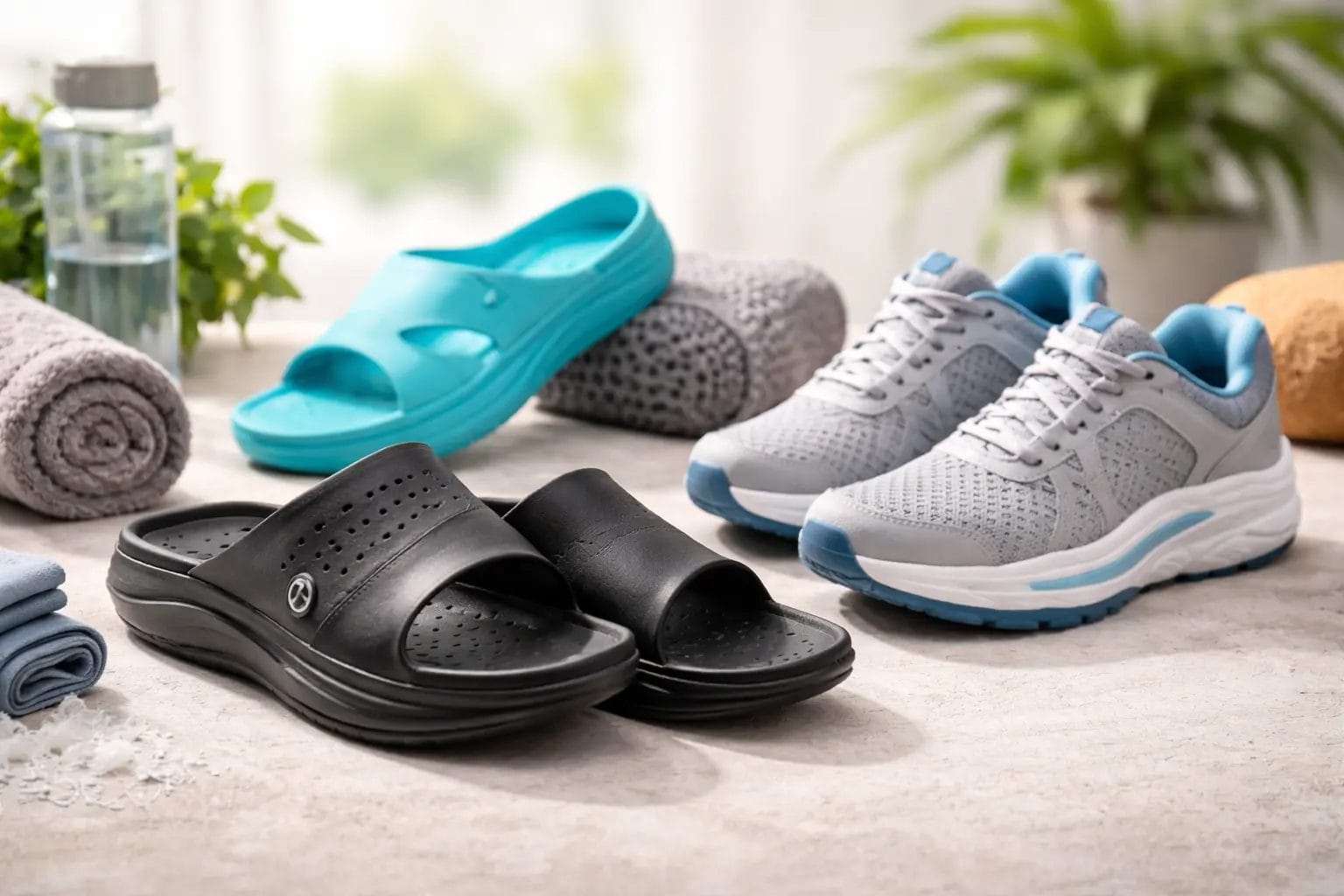
These specialized footwear options are designed to support your feet after high-impact activity. Unlike traditional athletic shoes, recovery shoes focus on cushioning, arch support, and reducing pressure on tired muscles and joints. They’re not just trendy—they’re functional, and they’re becoming a staple in both athletic and everyday wardrobes.
Let’s dive deep into what makes them so effective.
What Are Recovery Shoes?
These shoes are footwear designed specifically to help your feet recover after physical activity. They typically feature:
-
Extra-thick cushioning
-
Shock-absorbing foam
-
Enhanced arch support
-
Lightweight construction
Brands like OOFOS and HOKA have popularized this category with models built to reduce stress on joints and promote faster muscle recovery.
In simple terms, they’re like a “rest day” for your feet.
Why Recovery Shoes Are Gaining Popularity
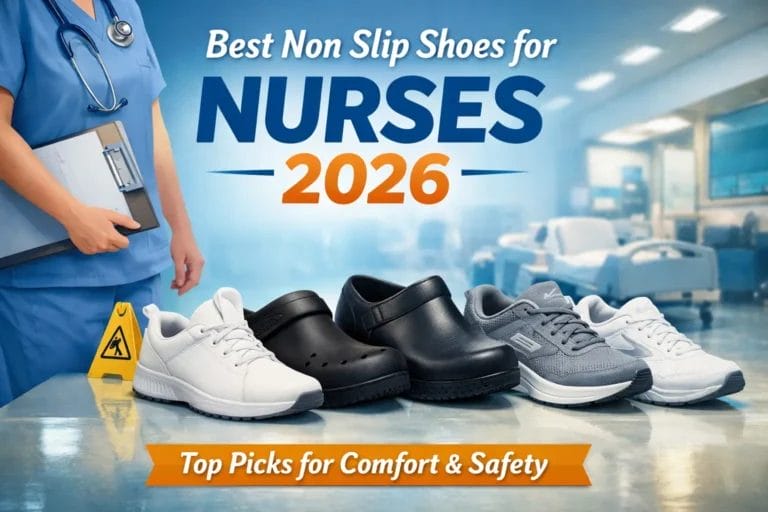
Recovery footwear isn’t just for marathon runners anymore. Everyday people—nurses, teachers, retail workers, and fitness enthusiasts—are embracing them.
Why?
Because modern lifestyles demand long hours on hard surfaces. According to foot health experts, prolonged standing can lead to issues like plantar fasciitis, heel pain, and shin splints. Supportive recovery footwear helps counteract that strain.
The Science Behind Recovery Shoes
Impact Absorption Technology
The primary purpose of these shoes is shock absorption. Advanced foams compress under pressure and rebound gently, reducing the force transferred to your joints.
Some brands use proprietary foam technology that absorbs up to 30–40% more impact than traditional EVA midsoles.
Arch Support and Biomechanics
Proper arch support improves foot alignment. When your feet are aligned, your ankles, knees, and hips follow suit. This reduces strain throughout your kinetic chain.
Poor alignment can lead to chronic pain. Good support can prevent it.
Cushioning Materials and Foam Innovation
Innovative materials like closed-cell foam resist moisture and maintain structure. This prevents the “flattening” effect seen in cheaper sandals or slides.
Key Benefits of Recovery Shoes

Reduces Foot Pain and Fatigue
After intense activity, your plantar fascia becomes inflamed. Recovery footwear provides cushioning that relieves pressure and allows inflammation to subside.
Speeds Up Muscle Recovery
Muscles repair faster when they aren’t constantly under stress. By absorbing shock, these shoes reduce micro-trauma to muscles.
Enhances Circulation
The slight rocker design in many models encourages natural movement. This improves blood flow and supports healing.
Prevents Long-Term Injuries
Small stresses add up. Without proper recovery, repetitive strain injuries become common. Wearing recovery footwear between workouts helps break that cycle.
Recovery Shoes vs. Regular Athletic Shoes
Structural Differences
| Feature | Recovery Shoes | Athletic Shoes |
|---|---|---|
| Cushioning | Maximum | Moderate |
| Stability | High | Sport-specific |
| Weight | Lightweight | Varies |
| Flexibility | Moderate | High |
When to Wear Each Type
-
Athletic shoes: During workouts
-
Recovery shoes: After workouts or long shifts
Who Should Wear Recovery Shoes?

Athletes and Runners
Long-distance runners place extreme stress on their feet. Many professional athletes now change into recovery slides immediately after the race.
Healthcare and Service Workers
Standing 8–12 hours a day? Recovery footwear can be a game-changer.
People with Plantar Fasciitis
Medical professionals often recommend supportive footwear for people with plantar fasciitis. For more clinical guidance, visit the American Podiatric Medical Association at https://www.apma.org.
Features to Look for in Recovery Shoes
Arch Support
Look for structured, contoured footbeds.
Breathability
Mesh uppers help reduce odor and sweat.
Heel-to-Toe Drop
A moderate drop (5–8mm) helps maintain natural posture.
Durability
High-density foam lasts longer.
Popular Recovery Shoe Brands
OOFOS
Known for proprietary OOfoam technology that absorbs impact effectively.
HOKA
Offers recovery sandals and slides with signature maximal cushioning.
Crocs
While not strictly recovery footwear, some models offer comfort-focused designs.
How to Choose the Right Recovery Shoes
Understanding Your Foot Type
Flat feet require strong arch support. High arches need extra cushioning.
Proper Fit and Sizing
Your toes should have room to move. Avoid tight fits.
Indoor vs. Outdoor Use
Some recovery slides are ideal for indoor use only. Others have durable soles for pavement.
How Often Should You Wear Recovery Shoes?
You can wear them:
-
After workouts
-
During rest days
-
Around the house
-
Post-surgery (with doctor approval)
However, they shouldn’t replace all footwear. Variety keeps your foot muscles balanced.
Caring for Your Recovery Shoes
-
Clean with mild soap
-
Air dry
-
Avoid extreme heat
-
Replace when cushioning flattens
Common Myths About Recovery Shoes
Myth 1: They’re just expensive sandals.
Truth: They’re engineered with advanced materials.
Myth 2: Only athletes need them.
Truth: Anyone on their feet benefits.
Myth 3: More cushion always equals better.
Truth: Proper support matters just as much.
FAQs
1. Are recovery shoes good for everyday wear?
Yes, but rotate them with other supportive footwear.
2. Do recovery shoes help plantar fasciitis?
They can reduce strain, but consult a healthcare provider.
3. Can I run in recovery shoes?
No. They are designed for post-activity wear.
4. How long do recovery shoes last?
Typically 6–12 months, depending on usage.
5. Are recovery shoes worth the investment?
For people with foot pain or high activity levels, absolutely.
6. Do recovery shoes replace orthotics?
Not necessarily. Some people still need custom inserts.
Conclusion
Recovery shoes are more than a trend—they’re a smart investment in foot health. Whether you’re an athlete pushing your limits or someone working long hours on hard floors, supportive recovery footwear can reduce pain, speed healing, and prevent injury.
Taking care of your feet today means fewer problems tomorrow. And honestly, your future self will thank you.