Steel Toe Shoes: 9 Powerful Benefits You Absolutely Need to Know
Steel toe shoes are more than just heavy-duty footwear—they’re lifesavers in tough work environments. Whether you work in construction, manufacturing, warehousing, or even landscaping, steel toe shoes provide critical protection against falling objects, sharp materials, and accidental compression. If you’ve ever dropped something heavy on your foot, you already know how important proper protection can be.
In this comprehensive guide, we’ll explore everything you need to know about steel-toe shoes—from their benefits and types to how to choose the right pair. Let’s dive in!
Table of Contents
ToggleWhat Are Steel Toe Shoes?
Steel toe shoes are safety footwear designed with a reinforced steel cap in the toe area. This cap protects your toes from heavy falling objects, compression injuries, and sharp materials.
Definition and Core Features
At their core, steel-toe shoes include:
-
A steel protective cap
-
Slip-resistant soles
-
Durable outer material (leather or synthetic)
-
Shock-absorbing midsoles
The steel cap meets specific safety standards to withstand significant impact and compression forces.
How Steel Toe Protection Works
The steel cap distributes the force of impact across the shoe instead of allowing it to crush your toes. Think of it like a shield—strong enough to absorb pressure while keeping your foot intact.
Why Steel Toe Shoes Are Essential for Workplace Safety
In hazardous environments, accidents can happen in seconds. That’s why steel toe shoes are often mandatory in many industries.
Protection Against Impact and Compression
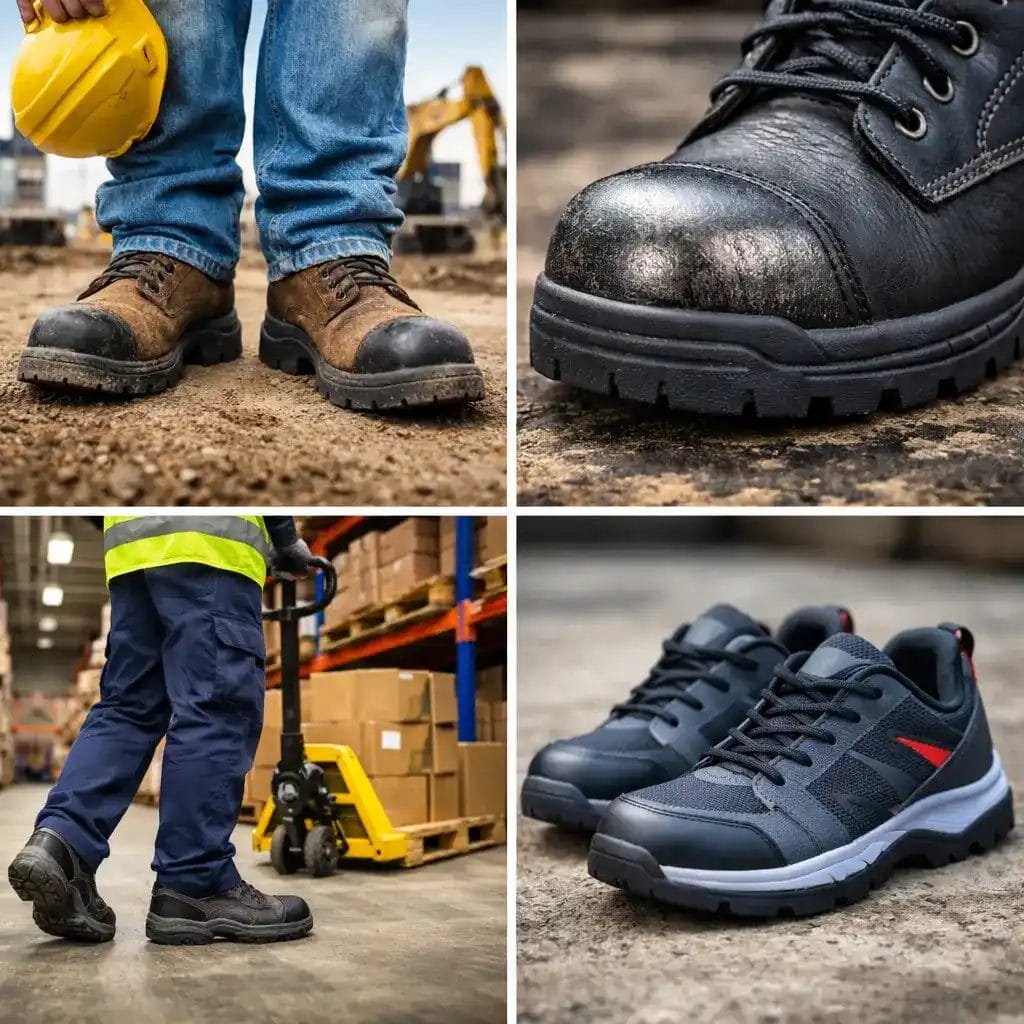
Construction sites, warehouses, and factories are filled with risks like:
-
Falling tools
-
Heavy equipment
-
Rolling carts
-
Sharp debris
Steel toe shoes act as a barrier, reducing the risk of broken toes or crushed feet.
Compliance with Safety Regulations
Many workplaces follow safety standards such as those set by OSHA. Wearing approved steel-toe shoes ensures compliance and reduces liability.
You can learn more about workplace safety standards from the official OSHA website:
👉 https://www.osha.gov
9 Powerful Benefits of Steel Toe Shoes
Let’s break down the top advantages.
1. Enhanced Foot Protection
The main benefit is obvious—maximum toe safety. The reinforced steel cap prevents serious injuries.
2. Long-Term Durability
These shoes are built tough. High-quality materials mean they last longer than regular shoes.
3. Improved Workplace Confidence
When you know your feet are protected, you move with more confidence and focus.
4. Slip Resistance
Many steel toe shoes come with slip-resistant soles that help prevent falls on wet or oily surfaces.
5. Electrical Hazard Protection
Some designs include insulation to protect against accidental electrical contact.
6. Puncture Resistance
Certain models have reinforced soles that guard against nails and sharp objects.
7. Weather Resistance
Waterproof and insulated options protect your feet from rain, snow, and extreme temperatures.
8. Reduced Injury Costs
Preventing injuries means fewer medical bills and less downtime.
9. Versatility Across Industries
From construction to food service, steel-toe shoes serve multiple industries.
Different Types of Steel Toe Shoes
Not all steel-toe shoes look the same. In fact, there’s a style for nearly every job.
Steel Toe Boots
Best for heavy-duty environments like construction and mining.
Steel Toe Sneakers
Ideal for warehouse workers who need protection without sacrificing comfort.
Waterproof Steel Toe Shoes
Perfect for outdoor jobs in wet conditions.
Insulated Steel Toe Footwear
Great for cold climates and winter work.
Steel Toe Shoes vs. Composite Toe Shoes
Key Differences
-
Steel-toe shoes use metal caps.
-
Composite toe shoes use materials like fiberglass or carbon fiber.
-
Steel is usually stronger but heavier.
-
Composite is lighter but may cost more.
Which One Should You Choose?
If you need maximum durability and affordability, steel-toe shoes are a great option. If weight and temperature sensitivity matter more, a composite may be better.
How to Choose the Best Steel Toe Shoes
Choosing the right pair makes all the difference.
Fit and Comfort
Always try them on with work socks. There should be enough room for your toes without feeling tight.
Material Quality
Look for:
-
Full-grain leather
-
Strong stitching
-
Thick slip-resistant soles
Industry Requirements
Check your workplace guidelines before purchasing.
How to Maintain Steel Toe Shoes
Taking care of your shoes extends their lifespan.
Cleaning and Care Tips
-
Wipe off dirt daily
-
Use leather conditioner
-
Air-dry if wet
When to Replace Them
Replace your steel toe shoes if:
-
The sole is worn out
-
The steel cap becomes exposed
-
They no longer feel supportive
Common Myths About Steel-Toe Shoes
Myth 1: They’re always uncomfortable.
Modern designs focus on ergonomics and cushioning.
Myth 2: They’re too heavy.
Newer models are lighter than older versions.
Myth 3: They conduct electricity.
Only if not rated for electrical hazard protection.
FAQs
1. Are steel toe shoes required by law?
In certain industries, yes. OSHA mandates protective footwear in hazardous environments.
2. Can steel toe shoes break your toes?
They’re designed to prevent injury. However, extreme force beyond rated capacity can cause harm.
3. How long do steel toe shoes last?
Typically 6–12 months depending on usage.
4. Are steel toe shoes comfortable for daily wear?
Yes, especially modern ergonomic designs.
5. Can you wear steel toe shoes casually?
Some sneaker-style options are stylish enough for casual wear.
6. Are they waterproof?
Only if specifically labeled waterproof.
Conclusion
Steel toe shoes are an essential investment for anyone working in hazardous conditions. They offer unmatched protection, durability, and confidence on the job. With modern advancements in design, today’s steel toe shoes are more comfortable and versatile than ever before.
Choosing the right pair can mean the difference between safety and serious injury. So don’t cut corners—protect your feet and your future.