Best Lifting Shoes: 7 Powerful Benefits That Boost Strength & Stability
If you’re serious about strength training, choosing the best lifting shoes can completely change your performance in the gym. Whether you’re squatting heavy, pulling deadlifts, or practicing Olympic lifts, proper footwear isn’t just a luxury—it’s a game changer.
In fact, many professional athletes and coaches agree that investing in quality lifting footwear is one of the smartest upgrades you can make. Brands like Nike, Adidas, and Reebok have designed specialized shoes built specifically for stability and power.
So, what exactly makes lifting shoes different? And how do you choose the right pair? Let’s dive in.
Best Lifting Shoes: The Ultimate Guide to Strength and Stability
What Are Lifting Shoes?
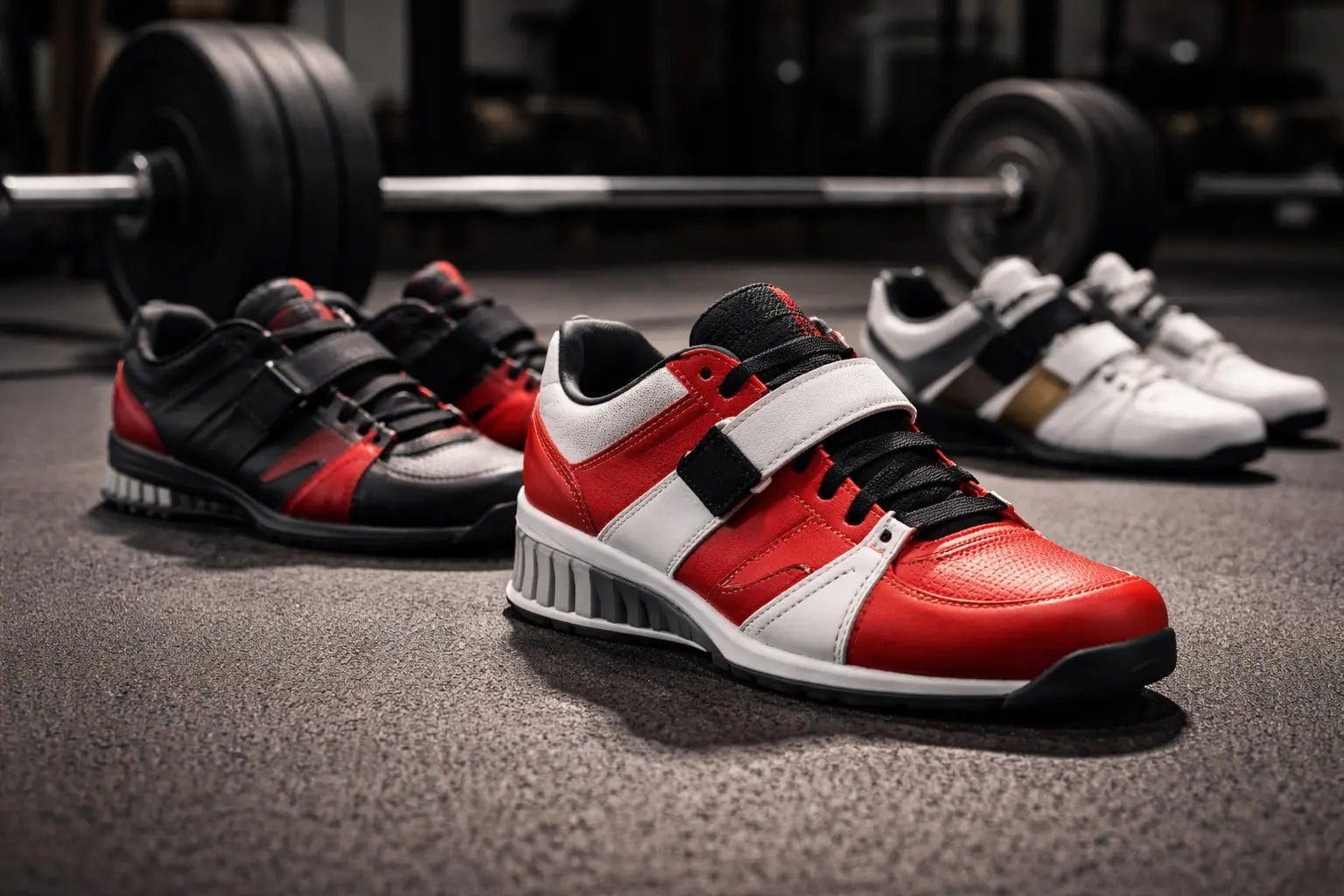
Lifting shoes are specially designed footwear built to provide stability, balance, and power during strength training exercises. Unlike regular sneakers, they feature a firm sole and often a raised heel to improve posture and mechanics during heavy lifts.
Key Features of Weightlifting Shoes
The best lifting shoes typically include:
-
Hard, non-compressible soles
-
Elevated heel (usually 0.5–1 inch)
-
Adjustable midfoot straps
-
Reinforced upper construction
-
Wide, stable base
These features help lifters maintain proper alignment while generating maximum force from the ground.
How They Differ from Running Shoes
Running shoes are built for cushioning and forward motion. That soft, cushioned sole may feel comfortable—but it absorbs energy. When you squat or deadlift, you want stability, not bounce.
Lifting shoes, on the other hand, keep your feet grounded and stable. No wobbling. No energy loss.
Why the Best Lifting Shoes Matter
You might think shoes don’t matter that much. But when lifting heavy weights, even small improvements can mean safer lifts and bigger numbers.
Improved Stability
The rigid sole prevents your foot from compressing under load. This stability reduces ankle movement and helps maintain proper form. When your base is solid, your lift becomes stronger and safer.
Enhanced Squat Depth
A raised heel improves ankle mobility. This allows you to squat deeper while keeping your chest upright. For people with tight ankles, this can be a total breakthrough.
Better Force Transfer
Every time you push against the floor, the force should travel straight into the barbell. The best lifting shoes eliminate wasted energy and improve ground contact. The result? More power and improved performance.
Key Features to Look for in the Best Lifting Shoes
Choosing the right pair can feel overwhelming. Let’s break down the essentials.
Heel Height
Heel height typically ranges between 0.5 to 1 inch. Olympic lifters often prefer higher heels for deeper squats. Powerlifters may choose lower heels for better overall balance.
Sole Material
Look for TPU (thermoplastic polyurethane) or hard rubber soles. These materials prevent compression and maintain stability under heavy loads.
Strap System
Many lifting shoes include one or two midfoot straps. These straps lock your foot in place and prevent sliding during explosive movements.
Toe Box Width
Your toes need room to spread. A cramped toe box can reduce balance and comfort. A wider design allows better foot engagement.
Types of Lifting Shoes
Not all lifting shoes are the same. Your training style determines your best option.
Olympic Weightlifting Shoes
These shoes feature a higher heel and rigid construction. They’re ideal for clean and jerks or snatches.
Popular models include:
-
Nike Romaleos
-
Adidas Adipower
-
Reebok Legacy Lifters
Powerlifting Shoes
Powerlifters often prefer flatter shoes or minimal heel elevation. Some even opt for deadlift slippers for maximum ground contact.
Cross-Training Shoes
If you mix lifting with cardio or HIIT workouts, cross-training shoes offer versatility. However, they’re not as stable as dedicated lifting footwear.
For more information on weightlifting techniques and proper gear, you can visit the official International Weightlifting Federation website.
Best Lifting Shoes for Squats
Squats demand upright posture and depth. Shoes with a 0.75-inch heel often provide the best balance between mobility and stability.
Look for:
-
High ankle support
-
Solid heel construction
-
Double strap system
Best Lifting Shoes for Deadlifts
Deadlifts are different. Many lifters prefer flat shoes or minimal heel elevation. The closer your foot is to the ground, the shorter the range of motion.
Some choose minimalist footwear or even deadlift slippers for competition.
Best Lifting Shoes for Beginners
If you’re just starting, don’t worry about buying the most expensive model. Focus on:
-
Proper fit
-
Stable sole
-
Moderate heel height
A basic pair from a reputable brand is more than enough to get started.
Common Mistakes When Choosing Lifting Shoes
Here are mistakes to avoid:
-
Buying running shoes for lifting
-
Choosing style over functionality
-
Ignoring heel height
-
Picking the wrong size
Your lifting shoes should feel snug—but not painfully tight.
How to Properly Fit Lifting Shoes
When trying on lifting shoes:
-
Wear your usual gym socks.
-
Ensure your heel doesn’t slip.
-
Check that your toes can spread naturally.
-
Tighten straps securely.
A proper fit ensures optimal stability and comfort.
Care and Maintenance Tips
To extend the life of your shoes:
-
Wipe them down after workouts
-
Avoid outdoor use
-
Air dry properly
-
Store in a cool, dry place
Quality lifting shoes can last several years if cared for correctly.
Are Expensive Lifting Shoes Worth It?
In many cases, yes. Higher-end models offer better materials, durability, and stability. However, beginners may not need premium options immediately.
Think of lifting shoes as a long-term investment in safety and performance.
Frequently Asked Questions
1. Are lifting shoes necessary for beginners?
Not necessary—but highly recommended if you lift regularly.
2. Can I deadlift in lifting shoes?
You can, but many prefer flatter footwear for deadlifts.
3. How long do lifting shoes last?
With proper care, 2–5 years, depending on usage.
4. Should lifting shoes be tight?
They should be snug and secure without cutting off circulation.
5. Do lifting shoes increase squat weight?
They can improve form and stability, which may help you lift heavier safely.
6. Can I use lifting shoes for everyday walking?
No. They are designed specifically for gym use.
Conclusion
Choosing the best lifting shoes isn’t about fashion—it’s about performance, safety, and long-term strength development. The right pair enhances stability, improves squat depth, and maximizes power output.
Whether you’re a beginner or an experienced lifter, investing in proper lifting footwear can elevate your training to the next level. Take your time, evaluate your lifting style, and choose wisely.
Strong foundation. Strong lifts. Strong results