The Ultimate Guide to Shoes in Volleyball: Everything You Need to Know in 2026
Shoes in volleyball are the most critical piece of equipment for any player, directly impacting performance, safety, and comfort on the court. Choosing the right footwear can make or break your performance on the volleyball court. Whether you’re a beginner stepping onto the court for the first time or a seasoned player looking to upgrade your gear, understanding what makes volleyball shoes unique is essential for improving your game, preventing injuries, and maximizing comfort during intense matches.
WHAT MAKES SHOES IN VOLLEYBALL DIFFERENT FROM REGULAR ATHLETIC SHOES?
Shoes in volleyball are specifically engineered to meet the sport’s unique demands. Unlike regular athletic shoes or running sneakers, shoes in volleyball are designed to handle rapid lateral movements, sudden stops, explosive jumps, and quick directional changes that characterize volleyball gameplay.
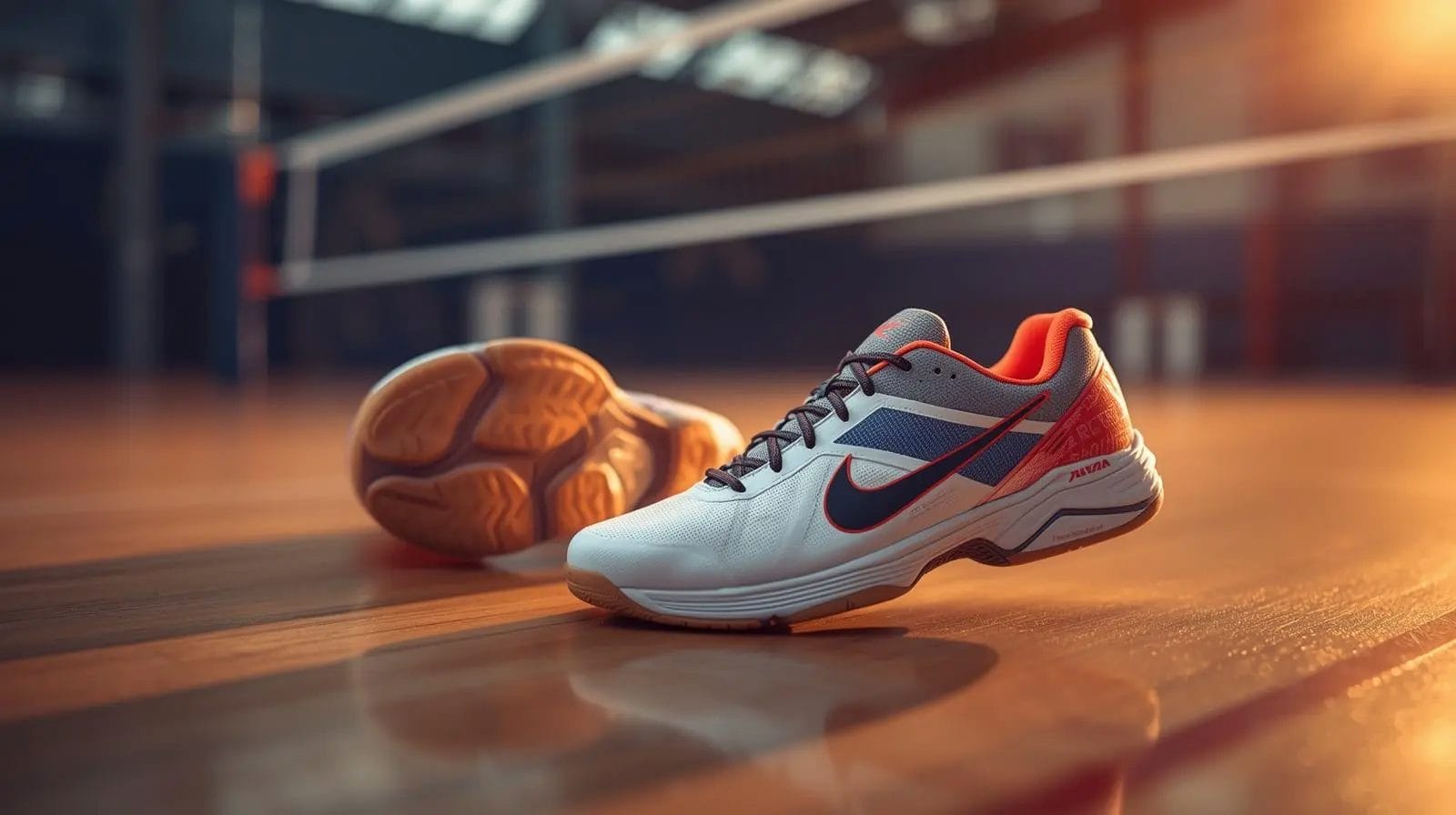
The primary distinctions include specialized gum rubber outsoles that provide superior grip on indoor courts, enhanced ankle support to prevent rolling during lateral movements, and responsive cushioning systems that absorb the impact from repeated jumping and landing. The lightweight construction ensures players can move quickly without feeling weighed down, while the breathable materials keep feet cool during extended matches.
Volleyball involves constant movement patterns that place unique stress on your feet and joints. Players perform hundreds of jumps per match, sprint short distances repeatedly, and execute quick pivots that require exceptional traction. Standard athletic shoes simply aren’t built to handle these specific demands, which is why shoes in volleyball are crucial for anyone serious about the sport.
KEY FEATURES TO LOOK FOR IN SHOES IN VOLLEYBALL
When shopping for shoes in volleyball, understanding the essential features ensures you make the right choice for your playing style.
Superior Traction and Grip
The outsole of shoes in volleyball features a gum rubber compound that creates optimal friction with indoor court surfaces. This material provides the grip necessary for explosive movements without leaving scuff marks on the floor. The tread patterns are strategically designed with herringbone or hexagonal configurations that allow for multi-directional traction, enabling quick cuts and sudden stops without slipping.
Court grip is non-negotiable when selecting shoes in volleyball. A single slip during a crucial play can cost your team a point or, worse, lead to an ankle injury. The specialized rubber compounds used in volleyball shoes maintain their tackiness even as they wear down, providing consistent performance throughout the shoe’s lifespan.
Cushioning and Shock Absorption
Volleyball players perform between 60 and 80 jumps during an average match, with some positions, like middle blockers, exceeding 100 jumps. This repetitive impact creates tremendous stress on joints, particularly the knees and ankles. Quality shoes in volleyball incorporate advanced cushioning technologies in the midsole to absorb shock and reduce the risk of overuse injuries.
Modern shoes in volleyball utilize various cushioning systems, including EVA foam, gel inserts, and proprietary technologies from major manufacturers. The cushioning must strike a balance between protection and court feel—too much padding can diminish your connection to the floor and slow your reaction time, while insufficient cushioning leaves you vulnerable to injury.
The heel and forefoot areas typically receive enhanced cushioning since these are the primary impact zones during jumping and landing. Some models feature dual-density midsoles that provide firmer support in areas requiring stability while maintaining softer cushioning where shock absorption is paramount.
Ankle Support and Stability
Lateral movements are constant in volleyball, making ankle support critical. Volleyball shoes come in three primary cut styles: low-top, mid-top, and high-top. Each offers different levels of ankle support and mobility.
Low-top shoes provide maximum freedom of movement and are lighter, making them popular among back-row players who prioritize speed and agility. Mid-top designs offer a compromise between support and mobility, extending slightly above the ankle bone to provide lateral stability without significantly restricting movement. High-top volleyball shoes deliver maximum ankle support, which many front-row players and those with a history of ankle injuries prefer.
Beyond the cut height, stability features include reinforced heel counters that lock the foot in place, internal support structures that prevent excessive pronation, and wider bases that create a more stable platform during lateral movements. The upper materials also contribute to support, with synthetic overlays and TPU reinforcements placed strategically in high-stress areas.
Lightweight Construction
Every ounce matters when you’re constantly moving at high intensity. Shoes in volleyball are engineered to be as light as possible while maintaining necessary support and durability. Manufacturers achieve this through advanced materials like lightweight synthetic uppers, hollowed-out midsole designs, and strategically placed reinforcements only where needed.
The average pair of shoes in volleyball weighs between 10 and 14 ounces, significantly lighter than basketball shoes, which can exceed 16 ounces. This weight reduction translates to less fatigue over the course of a long match or tournament and enables quicker foot speed for defensive plays.
Breathability and Comfort
Volleyball matches can last several hours, especially during tournaments where you might play multiple games in one day. Quality shoes in volleyball incorporate breathable materials that are essential to prevent overheating and moisture buildup that can lead to blisters and discomfort.
Modern shoes in volleyball incorporate mesh panels, perforations, and moisture-wicking linings that promote airflow and keep feet dry. Some high-end models feature advanced ventilation systems with strategically placed air channels that pull heat away from the foot while maintaining structural integrity.
The interior comfort features matter just as much as external performance characteristics. Quality volleyball shoes include padded collars that prevent chafing, contoured insoles that support the arch, and seamless construction in areas prone to rubbing.
TYPES OF SHOES IN VOLLEYBALL FOR DIFFERENT POSITIONS
Choosing the right shoes in volleyball depends significantly on your playing position and role on the court.
Shoes for Setters and Liberos
Back-row players and setters prioritize agility and court coverage over jumping ability. These players benefit from lighter shoes with excellent lateral support and responsive cushioning. Low-top or mid-top designs work well for these positions, providing the ankle mobility needed for quick directional changes while diving and scrambling for balls.
The outsole pattern for defensive specialists should emphasize multi-directional traction, as these players move laterally more than any other position. Forefoot cushioning is particularly important since these players spend significant time on the balls of their feet in defensive stances.
Shoes for Hitters and Middle Blockers
Front-row players execute more vertical jumps and need maximum shock absorption and ankle support. These athletes benefit from volleyball shoes with enhanced heel and forefoot cushioning to handle the repetitive impact of approach jumps and blocks.
Mid-top or high-top shoes provide the ankle stability that helps prevent rolling during off-balance landings. The midsole should offer responsive cushioning that doesn’t bottom out after repeated jumps, maintaining its protective properties throughout the match.
Many middle blockers prefer slightly heavier shoes with maximum cushioning, accepting the small weight penalty in exchange for superior joint protection. The increased material in these shoes also tends to make them more durable, an important consideration for players who put exceptional wear on their footwear.
TOP FEATURES IN WOMEN’S SHOES IN VOLLEYBALL
Women’s shoes in volleyball aren’t simply smaller versions of men’s models—they’re designed with anatomical differences in mind. Women typically have narrower heels relative to the forefoot, higher arches, and different pronation patterns than men.
Quality women’s shoes in volleyball feature narrower heel counters that prevent slippage, gender-specific lasts that accommodate the female foot shape, and cushioning systems calibrated for generally lighter body weights. The aesthetic designs also tend to offer more color options and style variations.
Some brands offer women-specific technologies, such as cushioning systems designed for the Q-angle differences in female knees or support structures that address the higher incidence of certain injuries in female athletes. When shopping for women’s volleyball shoes, it’s worth seeking out true women’s models rather than settling for small men’s sizes.
VOLLEYBALL SNEAKERS VS. REGULAR ATHLETIC SHOES
Many beginners wonder if they can wear regular sneakers or court shoes for volleyball. While you can technically play in other athletic shoes, doing so places you at a significant disadvantage and increases injury risk.
Running shoes are designed for forward motion with elevated heels and lack the lateral support volleyball demands. Basketball shoes are closer in function but tend to be heavier and have different traction patterns optimized for hardwood rather than volleyball court surfaces. Cross-training shoes offer more versatility but still don’t provide the specialized features that volleyball requires.
The traction patterns alone make a substantial difference. Running shoe treads are designed to propel you forward and would cause you to slip during lateral movements. The gum rubber outsoles on volleyball shoes are specifically formulated for the synthetic surfaces common in volleyball facilities.
Investment in proper shoes in volleyball pays dividends in performance improvement and injury prevention. Even recreational players notice a significant difference when switching from general athletic shoes to volleyball-specific footwear.
You might also like: Women’s Training & Cross-Training Shoes.
HOW TO CHOOSE THE RIGHT SHOES IN VOLLEYBALL
Selecting the perfect shoes in volleyball requires careful consideration of multiple factors. According to the American Volleyball Coaches Association, proper footwear is one of the top three factors in injury prevention for volleyball players.
Assess Your Playing Style and Position
Start by honestly evaluating your role on the court. Are you a defensive specialist who covers the back row, or do you primarily attack and block at the net? Your position influences the features you should prioritize.
Consider your physical characteristics, too. Players with a history of ankle injuries should lean toward higher-cut shoes with enhanced support. Those with knee issues might prioritize maximum cushioning. If you have wide feet, look for brands known for accommodating wider dimensions or seek out models specifically designed in wide sizes.
Try Before You Buy
Volleyball shoes should fit snugly without being tight, with about a thumb’s width of space between your longest toe and the shoe’s end. The heel should lock securely without slippage, and the midfoot should feel supported without pressure points.
Walk around the store and perform volleyball-specific movements if possible. Simulate approach steps, lateral shuffles, and quick direction changes. The shoes should feel stable and responsive, not clunky or restrictive. Your toes shouldn’t slide forward during sudden stops, which could indicate the shoes are too large.
Different brands fit differently. Nike tends to run narrow, Mizuno offers a snug midfoot with a roomier toe box, and Asics generally provides a wider platform. Trying multiple brands helps you identify which manufacturer’s last works best with your foot shape.
Consider Your Budget
Volleyball shoes range from budget-friendly options around $50 to premium models exceeding $150. Higher prices generally bring advanced cushioning technologies, lighter materials, and enhanced durability, but you don’t necessarily need the most expensive shoes to play well.
For beginners and recreational players, mid-range shoes in the $70-$100 range offer excellent value, providing the essential volleyball-specific features without premium price tags. Competitive players who train multiple times weekly may find that investing in higher-end models pays off through better performance and longer lifespan.
Watch for sales, especially when new models are released, and previous versions get discounted. Last year’s top-tier shoe at clearance pricing can be an exceptional value.
Brand Reputation Matters
Other reputable brands include Under Armour, which has made significant inroads in volleyball footwear, and specialty volleyball companies like Mikasa that focus exclusively on volleyball equipment. Reading reviews from other players and consulting with teammates can provide valuable insights into brand performance.
CAN YOU PLAY VOLLEYBALL IN BASKETBALL SHOES?
This common question has a nuanced answer. While you can physically play volleyball in basketball shoes, proper shoes for volleyball offer significant advantages. Research from USA Volleyball indicates that sport-specific footwear reduces injury risk by up to 30% compared to using cross-sport alternatives.
Basketball shoes share some similarities with shoes in volleyball—both need ankle support, cushioning for jumping, and court traction. However, basketball shoes are typically heavier, which can slow you down during quick defensive plays. The outsole rubber compounds are optimized for hardwood courts and may not grip volleyball court surfaces as effectively.
The extra weight becomes particularly noticeable during long matches or tournaments. The fatigue from carrying additional ounces on each foot accumulates, potentially affecting your performance in crucial late-game situations.
Some front-row players successfully use lightweight basketball shoes, particularly those with a history of ankle injuries who want maximum high-top support. If you choose this route, select the lightest basketball shoes you can find with gum rubber outsoles rather than traditional basketball rubber.
That said, dedicated shoes in volleyball remain the superior choice for anyone playing regularly. The specialized design elements provide tangible benefits that become more apparent as your skill level increases.
CARING FOR YOUR SHOES IN VOLLEYBALL
Proper maintenance extends the lifespan of your shoes in volleyball and maintains optimal performance.
Proper Cleaning and Maintenance
Shoes in volleyball require regular maintenance to perform optimally. The gum rubber outsoles attract dust and lose grip when dirty. After each use, wipe the bottoms with a slightly damp cloth to remove court debris and restore tackiness.
For deeper cleaning, use mild soap and water with a soft brush to clean the uppers. Avoid harsh chemicals that can break down adhesives or damage synthetic materials. Never put volleyball shoes in the washing machine, as the agitation and heat can compromise the structural integrity and cushioning systems.
Allow shoes to air dry naturally away from direct heat sources. Stuffing them with newspaper helps absorb moisture and maintain shape. Some players use shoe trees designed for athletic footwear to prevent creasing and extend the shoe’s lifespan.
When to Replace Your Shoes in Volleyball
Even the highest-quality shoes in volleyball eventually wear out. Signs that it’s time for replacement include compressed cushioning that no longer bounces back, worn outsole tread that reduces traction, separated materials or damaged uppers, and persistent discomfort that wasn’t present when the shoes were new.
Most players need to replace their shoes in volleyball every six to twelve months, depending on playing frequency. Competitive athletes training multiple times weekly may need replacements more often, while recreational players might get longer use from their footwear.
Don’t wait until your shoes are destroyed to replace them. Worn-out cushioning and traction compromise performance and increase injury risk. When you notice decreased responsiveness or grip, start shopping for your next pair.
Storage Tips
Store your shoes in volleyball in a cool, dry place away from direct sunlight, which can degrade materials over time. Use a breathable shoe bag rather than plastic, which traps moisture and can promote odor and material breakdown.
Rotating between two pairs of shoes in volleyball allows each pair to fully dry between uses and extends the overall lifespan of both. This strategy is particularly valuable for players who practice daily or participate in multi-day tournaments.
COMMON QUESTIONS ABOUT SHOES IN VOLLEYBALL
Understanding the nuances of shoes in volleyball helps players make informed decisions.
Do You Wear Socks with Shoes in Volleyball?
Always wear appropriate athletic socks with your shoes in volleyball. Quality moisture-wicking socks prevent blisters, provide additional cushioning, and help regulate foot temperature. Avoid cotton socks that retain moisture; instead, choose synthetic blends or merino wool designed for athletic performance.
Sock thickness affects fit, so try on shoes while wearing the same sock style you’ll use during play. Some players prefer thin socks for a closer court feel, while others like cushioned athletic socks for additional comfort.
Can Beginners Use Professional-Grade Shoes?
Beginners can absolutely wear high-end volleyball shoes, though it’s not necessary. Entry-level players often do better starting with mid-range options that provide essential features without the premium price. As your skills develop and you can better appreciate subtle performance differences, upgrading to professional-grade shoes makes more sense.
That said, if budget allows and you’re committed to the sport, investing in quality shoes from the start ensures proper support and can help prevent injuries during the learning phase when your technique isn’t yet refined.
Are Shoes in Volleyball Good for Other Activities?
Shoes in volleyball work well for other court sports like pickleball, racquetball, and badminton. The lateral support and court-specific traction translate well to these activities. However, they’re not ideal for running, outdoor use, or weight training.
Using shoes in volleyball exclusively on indoor courts preserves the specialized outsoles and extends their lifespan. The gum rubber wears quickly on outdoor surfaces and loses its grip when exposed to dirt and rough pavement.
FAQs
What to Look for in Volleyball Shoes?
When shopping for shoes in volleyball, prioritize these essential features:
Gum Rubber Outsole: Look for shoes with specialized gum rubber that provides superior grip on indoor courts. The outsole should feature herringbone or hexagonal tread patterns for multi-directional traction.
Adequate Cushioning: Choose shoes with responsive midsole cushioning (EVA foam, gel inserts, or brand-specific technologies) that absorb shock from repetitive jumping. The cushioning should be firm enough to maintain court feel while protecting your joints.
Proper Ankle Support: Select the cut height based on your position and injury history. Low-tops offer maximum mobility for defensive players, mid-tops provide balanced support, and high-tops deliver maximum ankle protection for front-row players.
Lightweight Construction: Target shoes weighing 10-14 ounces. Lighter shoes reduce fatigue during long matches without sacrificing necessary support and protection.
Breathable Materials: Ensure the upper features have mesh panels or perforations for airflow. Moisture-wicking linings keep feet dry and prevent blisters during extended play.
Proper Fit: The shoes should fit snugly without being tight, with about a thumb’s width between your longest toe and the shoe’s end. The heel should lock securely without slippage, and there should be no pressure points in the midfoot. For more help with sizing, check our Online Shoe Size Calculator (https://comfortshoescorner.com/online-shoe-size-calculator/).
Do You Wear Shoes in Beach Volleyball?
No, beach volleyball is traditionally played barefoot, and this isn’t just tradition—it’s practical and beneficial. Playing barefoot on sand offers several advantages that make shoes unnecessary and even disadvantageous.
Natural Grip and Stability: Sand provides natural traction that bare feet can grip effectively. Shoes would actually reduce your ability to feel the sand surface and adjust your foot position for optimal balance during quick movements and jumps.
Sand Drainage: If you wore shoes in beach volleyball, sand would constantly fill them, creating uncomfortable weight and rubbing that leads to blisters. The sand would also damage the shoe materials and make movement awkward and exhausting.
Foot Strength Development: Playing barefoot strengthens the small muscles in your feet and improves proprioception (your body’s awareness of position and movement). This natural conditioning helps prevent injuries and enhances athletic performance.
Temperature Regulation: Beach volleyball is typically played in warm, sunny conditions. Barefoot play allows your feet to stay cooler, while shoes would trap heat and moisture, leading to discomfort and potential heat-related issues.
Rules and Standards: Most organized beach volleyball tournaments and leagues prohibit shoes for safety and fairness reasons. The sport’s governing bodies recognize that barefoot play is the safest and most equitable approach for all competitors.
If you’re playing on extremely hot sand, some players use sand socks—thin, lightweight protective coverings that shield against heat without providing the traction or structure of shoes. However, even these are uncommon among competitive players who prefer the natural connection with the sand.
Can You Play Basketball in Volleyball Shoes?
While technically possible, playing basketball in shoes designed for volleyball is not recommended and comes with significant performance and safety tradeoffs.
Cushioning Concerns: Basketball involves more explosive vertical movements and harder landings on less forgiving surfaces compared to volleyball. Shoes in volleyball typically have lighter cushioning optimized for the specific impact patterns of volleyball. Basketball shoes provide enhanced heel and forefoot cushioning designed for the repetitive pounding of basketball courts and the different landing mechanics of basketball players.
Traction Differences: The gum rubber outsoles on shoes in volleyball are designed for indoor volleyball court surfaces, which differ from basketball hardwood floors. Basketball shoes use different rubber compounds and tread patterns optimized for the quick cuts, pivots, and sprints that characterize basketball gameplay. Using volleyball shoes for basketball could result in reduced traction and increased slip risk.
Durability Issues: Basketball’s constant running, jumping, and lateral movements are more demanding than volleyball’s movement patterns. Shoes in volleyball aren’t built to withstand the abrasive wear patterns of basketball, leading to faster deterioration of the outsole and upper materials.
Ankle Support: While some high-top volleyball shoes provide good ankle support, they’re designed for volleyball’s specific movement patterns. Basketball requires different ankle protection for the sport’s unique demands, including rapid direction changes while dribbling and defending.
Performance Impact: Professional basketball players rely on basketball-specific technologies for optimal performance. Using shoes in volleyball would put you at a competitive disadvantage, affecting your speed, agility, and court feel.
If you occasionally play pickup basketball recreationally, volleyball shoes might suffice temporarily. However, for regular basketball play or competitive games, invest in proper basketball shoes designed for the sport’s specific demands.
Can You Play Volleyball in Basketball Shoes?
Yes, you can play volleyball in basketball shoes, and some players do successfully, but there are important considerations before making this choice.
The Similarities: Basketball and volleyball shoes share several features—both need ankle support, cushioning for jumping, and court traction. These commonalities mean basketball shoes can function adequately for volleyball in certain situations.
Weight Disadvantage: The primary drawback is weight. Basketball shoes typically weigh 14-18 ounces compared to 10-14 ounces for shoes in volleyball. This extra 4-8 ounces per shoe becomes significant during a long match, causing increased fatigue and potentially slowing your reaction time during crucial defensive plays.
Traction Differences: Basketball shoes use rubber compounds optimized for hardwood courts, which may not grip volleyball court surfaces as effectively as the specialized gum rubber on shoes in volleyball. You might experience slight traction differences, though high-quality basketball shoes with good court grip can perform adequately.
Cushioning Systems: Basketball shoes often provide excellent cushioning that can work well for volleyball’s jumping demands. In fact, some players with chronic knee or ankle issues prefer the enhanced cushioning of basketball shoes over volleyball-specific models.
Who Might Choose Basketball Shoes: Front-row players with ankle injury history sometimes opt for high-top basketball shoes for maximum ankle support. The additional weight trade-off can be worthwhile for players prioritizing injury prevention over maximum speed.
Best Practices for Using Basketball Shoes:
– Choose the lightest basketball shoes available
– Look for models with gum rubber or translucent rubber outsoles for better volleyball court grip
– Ensure the shoes provide excellent lateral support for volleyball’s side-to-side movements
– Consider basketball shoes designed for guards rather than centers, as these tend to be lighter and more agile
Bottom Line: While basketball shoes can work for volleyball, especially for recreational or occasional play, dedicated volleyball shoes in volleyball remain superior for regular players. The specialized design of volleyball shoes provides tangible benefits in weight, traction, and sport-specific performance that become more apparent as your skill level and playing frequency increase.
For the best performance, check out our selection of Women’s Training & Cross-Training Shoes (https://comfortshoescorner.com/product-category/women-shoes/womens-training-cross-training-shoes/) that offer versatility for multiple court sports.
Can You Play Volleyball in Running Shoes?
No, running shoes are not suitable for volleyball, and using them significantly increases injury risk while hampering performance.
Design Purpose Mismatch: Running shoes are engineered exclusively for forward motion. They feature elevated heels, cushioning focused in the heel area, and outsole tread patterns designed to propel you forward. Volleyball requires constant lateral movements, quick pivots, and multi-directional agility—movements that running shoes are not designed to support.
Lateral Support Deficiency: The most critical problem with running shoes for volleyball is the complete lack of lateral support. Running shoes have minimal side-to-side stability because runners don’t need it. In volleyball, the absence of lateral support dramatically increases your risk of ankle sprains and knee injuries during the quick directional changes that occur dozens of times per match.
Dangerous Traction: Running shoe outsoles use tread patterns designed for outdoor pavement or trails. These patterns provide poor traction on indoor volleyball courts, causing dangerous slipping during quick movements. The rubber compounds also differ from the gum rubber on shoes in volleyball, further compromising grip and court feel.
Cushioning in Wrong Places: Running shoes concentrate cushioning in the heel to absorb impact from heel-striking while running. Volleyball requires cushioning distributed throughout the forefoot and heel to handle the unique impact patterns of jumping and landing. Using running shoes means you’ll lack proper shock absorption where you need it most.
Stability Issues: Running shoes often have rounded or curved soles that encourage the rocking motion beneficial for running. This same design creates instability during volleyball’s stationary defensive positions and explosive lateral movements, making you more prone to rolling your ankle.
Performance Impact Beyond Safety: Even if you avoid injury, running shoes severely limit your volleyball performance. The excess heel cushioning slows your reaction time, the lack of court grip prevents explosive movements, and the overall design makes you less agile and responsive on the court.
Not Even for Practice: Some players wonder if running shoes are acceptable for casual practice or recreational play. The answer remains no—injuries can occur just as easily in practice as in competition, and developing bad movement habits from unstable footwear can negatively impact your technique.
What to Do Instead: If you’re new to volleyball and don’t want to invest in specialized shoes in volleyball immediately, consider using cross-training shoes or court shoes designed for multiple sports. These provide better lateral support than running shoes, though they still don’t match the performance of volleyball-specific footwear. For serious players, investing in proper volleyball shoes is non-negotiable for both safety and performance..
THE BOTTOM LINE ON SHOES IN VOLLEYBALL
Investing in quality shoes in volleyball is one of the most important equipment decisions you’ll make as a player. The right footwear enhances your performance, protects you from injury, and allows you to play with confidence through quick cuts, explosive jumps, and rapid direction changes.
Whether you’re shopping for your first pair of shoes in volleyball or upgrading to a new model, prioritize the features that match your position, playing style, and physical needs. Focus on proper fit, adequate cushioning, reliable traction, and appropriate support level. Consider reputable brands with proven track records in volleyball footwear.
Remember that even the best shoes in volleyball won’t last forever. Monitor your shoes for signs of wear and replace them before they compromise your performance or put you at risk for injury. With proper care and maintenance, quality shoes in volleyball will serve you well through countless matches and practices.
Your feet are your foundation on the volleyball court. Treat them to footwear specifically designed for the sport’s unique demands, and you’ll notice the difference in every aspect of your game. Whether you’re diving for a dig, launching for a block, or sprinting to cover a tip, the right shoes in volleyball help you perform at your best while keeping you safe and comfortable.
FINAL RECOMMENDATIONS
For players just starting, look for reliable entry-level models from established volleyball shoe manufacturers that offer essential features without breaking the bank. Mid-level competitive players should consider investing in premium cushioning and support technologies that can withstand intensive training schedules. Elite athletes and those playing multiple times weekly benefit most from top-tier shoes in volleyball with the latest performance innovations.
Don’t underestimate the importance of proper fit—a $150 pair of shoes in volleyball that doesn’t fit well will perform worse than a $75 shoe that fits perfectly. Take time to try different brands and models, and don’t hesitate to seek advice from experienced players or specialty volleyball retailers.
Your shoes in volleyball are the foundation of your game. Choose wisely, care for them properly, and replace them when necessary. Your feet—and your performance—will thank you.